
Sita's Kitchen World & Modular Kitchen Design

Sita's Kitchen World is a leading expert in Coimbatore's modular kitchen industry. We specialize in crafting personalized solutions to meet a wide range of needs.

Author Archives: Admin

Trendy Modular Kitchen

Top 10 Trendy Color Schemes for Your Modular Kitchen

Top 10 Trendy Color Schemes for Your Modular Kitchen

Introduction

Choosing the right color for your modular kitchen can be a hectic task for you. Let me help you with the best trendy color schemes for your modular kitchen. Since colors play a part in enhancing our mood and emotions, you need to make the right choices. Make your plans carefully with proper color schemes to make your dream kitchen and make it look alive. 

Many people have been looking for the best color schemes they can get for their modular kitchens. If you are among them, then this article can help you greatly, because you can find the top 10 trendy color schemes out there. You will also be learning about why you should choose the right color scheme and how to choose the one suitable for you.

Why I Should Choose the Right Color Scheme for a Modular Kitchen?

Choosing the right color scheme for your modular kitchen can help you set up the mood for your kitchen. You can create a more welcoming and happy environment with a touch of personality in your kitchen. Overall, the right color scheme can create a comfortable and inviting kitchen space. Here are some of the reasons to choose the right color scheme for modular kitchens,

  • Colors can complement the overall look of your modular kitchen
  • Combining the colors with lights can add depth and create a new dimension to your space. 
  • The look of your kitchen has a lot of effect on your cooking skills. 
  • Strategically combining colors in your kitchen adds the aesthetic you need for your space seamlessly.
  • The color scheme that you use for your kitchen will reflect your style and personality.
  • Different colors evoke different emotions and feelings.
  • All colors must be used moderately to make your kitchen look more cohesive.

How to Choose the Best Color Scheme for Your Modular Kitchen?

You need to consider a lot of things about your modular kitchen before selecting the best color scheme for it. Here are some tips that can help you choose the best color scheme for your modular kitchen,

  • Concerning your kitchen size, you can choose the color you want. You can go for light colors to make small kitchens look larger and airy. Bright colors in larger kitchens help you relieve tension.
  • Consider the amount of natural and artificial light that gets into your kitchen when choosing a color scheme for it. 
  • The colors that go along with your personality will reflect your style and make your lifestyle more engaging.
  • Since you are using colors in your kitchen, you need to consider the thermal properties and other factors that can have an effect.
  • The color scheme that you use must go along with the overall aesthetics of your kitchen space.

You can improve your kitchen aesthetics by just taking a look at 7 Tips to Improve Your Kitchen’s Aesthetics.

Top 10 Trendy Color Schemes for Modular Kitchen

Monochromatic

Monochromatic color schemes involve using different shades of a single color, creating a harmonious and elegant look. For example, you can use various shades of gray, from light to dark, for your kitchen cabinets, countertops, and walls. The simplicity of monochromatic colors provides a clean and timeless aesthetic that’s easy to maintain.

Two Color Approach

Choosing two complementary colors can add depth and visual interest to your kitchen. Popular combinations include blue and white, black and gold, or green and gray. One color can dominate while the other serves as an accent, making your kitchen feel balanced and inviting. This approach allows you to play with contrasting elements in your kitchen design.

Neutral

Neutral color schemes, such as beige, taupe, and soft whites, create a warm and inviting atmosphere in your kitchen. Neutrals are versatile and can be paired with various materials and textures. They also provide a serene backdrop that can be easily updated with colorful accessories, such as curtains, dishes, or plants, for a fresh look.

Low Contrast

Low-contrast color schemes combine colors that are closer to the color wheel, resulting in a subtle and soothing ambiance. For instance, light gray cabinets and pale blue walls create a calm and cohesive atmosphere. This approach is perfect for those who prefer a peaceful and minimalist kitchen design.

High Contrast

On the opposite end of the spectrum, high-contrast color schemes feature colors that are far apart on the color wheel. Classic combinations like black and white or navy and gold create a dramatic and eye-catching kitchen. High contrast is bold and lively, making your kitchen the focal point of your home.

Pastels

Pastel colors, such as soft pinks, mint greens, and powder blues, are ideal for adding a touch of sweetness and charm to your kitchen. Pastel cabinets and backsplash tiles can bring a light and airy feel to your cooking space, making it perfect for a cheerful and welcoming environment.

Retro Colors

Embrace nostalgia by incorporating retro colors from the ’50s and ’60s into your modular kitchen. Think of minty greens, sunshine yellows, and bold reds. These colors can be used in appliances, cabinets, or even as an accent wall. A retro-themed kitchen adds a fun and playful vibe to your home.

Glossy

Glossy finishes, often in bold colors like red or deep blue, can make your kitchen shine. These reflective surfaces create a sleek and modern look that’s easy to clean and maintain. Plus, they reflect light, making your kitchen appear larger and brighter.

Matte

For a more subdued and understated aesthetic, matte finishes are the way to go. Matte black, gray, or even deep navy cabinets and surfaces give your kitchen a sophisticated and contemporary appearance. Matte finishes also help conceal fingerprints and smudges, making them a practical choice.

Bright Combinations

If you love vibrant and energetic spaces, consider combining bright and bold colors in your modular kitchen. Create a lively atmosphere with combinations like lemon yellow and teal, or hot pink and electric blue. This approach adds a burst of energy to your kitchen and is perfect for those who want their cooking space to be a hub of activity.

Similar to colors, the design of your Modular Kitchen has an effective effect on how it looks, you can learn more about it at Why Is Modular Kitchen Design Important?

Conclusion

Your choice of color scheme for your modular kitchen is more than just aesthetics; it’s about setting the right mood, enhancing functionality, and reflecting your unique style. To recap, consider factors like kitchen size, lighting, and personal preference when making your decision. And now, armed with our top 10 trendy color schemes, you have the tools to transform your kitchen into a space that truly speaks to you.

From the harmonious simplicity of monochromatic designs to the bold and dramatic high-contrast choices, there’s a palette to match every personality and taste. Whether you prefer the inviting warmth of neutrals, the subtle calm of low-contrast colors, or the lively energy of bright combinations, your kitchen can be a true reflection of you.

So, go ahead, let your kitchen shine with the perfect color scheme, and turn your culinary space into a vibrant hub of activity and personal expression.
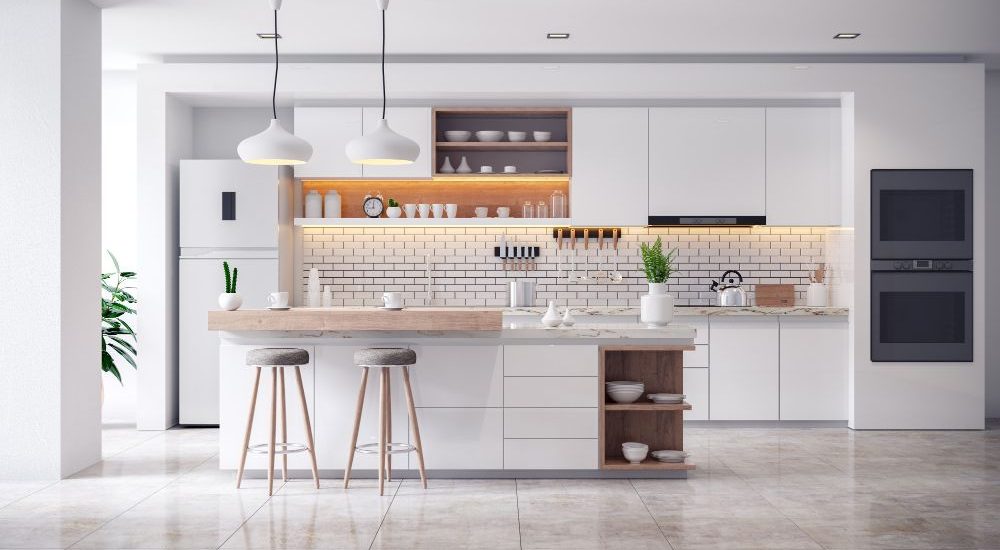
 

modular kitchen.

What Are The Different Units Of A Modular Kitchen

What Are The Different Units Of A Modular Kitchen

Introduction

Modular kitchens have completely changed the way we design and organize our cooking spaces. They offer a perfect blend of aesthetics and functionality, making daily kitchen activities more convenient and efficient. In this blog post, we will explore the various units that make up a modular kitchen, from eco bins to wall units. Whether you’re planning to renovate your kitchen or are simply curious about the components, this guide will provide valuable insights. If you’re looking for a modular kitchen in Coimbatore, Sita’s Kitchen has a wide range of options to choose from. 

Eco Bins

Let’s begin with an often overlooked but essential unit – eco bins. These bins are designed to efficiently separate and manage your kitchen waste. With separate compartments for recyclables and regular waste, they contribute to a cleaner environment and a more organized kitchen. Eco bins are usually located under the sink for easy disposal and come with a lid to contain any odors.

Storage Units

Storage units are the backbone of any modular kitchen. They come in various shapes and sizes, such as pull-out baskets, shelves, and cabinets. These units help you keep your kitchen essentials like groceries, pots, pans, and dishes neatly organized and easily accessible. Pull-out storage units with wire baskets provide a clean and modern look, while traditional shelves offer a classic approach to kitchen organization.

Drawer Units

Drawer units are designed for optimal storage and organization. They come in various configurations, including deep drawers for pots and pans, cutlery drawers, and pull-out trays for spices and condiments. Their versatility makes it easier to maintain an orderly kitchen. The soft-close mechanism ensures that drawers close quietly, minimizing noise in the kitchen.

Base Cabinets

Base cabinets provide a bigger storage space for your larger kitchen appliances, such as ovens, dishwashers, and cookware. They are typically installed beneath your kitchen countertops, ensuring that everything you need is close at hand. You can choose base cabinets with pull-out shelves for easy access to pots and pans or cabinets with vertical dividers to store baking sheets and cutting boards.

Countertops

Countertops are not only functional but also add a touch of beauty to your kitchen. They provide a sturdy surface for food preparation. Countertops are the focal point of your kitchen, where all the cooking happens. Granite countertops are known for their durability. 

Sink Unit

The sink unit is another essential component. It includes the sink, faucet, and often a drainboard. It’s where you wash, and rinse your dishes and vegan tables. Having an efficient sink unit can significantly ease your daily kitchen work. You can opt for a double-bowl sink for added convenience or a deep single-bowl sink for larger pots and pans.

Chimney Unit

Cooking can release a lot of heat, smoke, and odors. A chimney unit, fitted above your cooktop, serves to keep your kitchen’s air fresh and clean. It sucks up fumes and directs them outside, ensuring a comfortable cooking environment. Modern chimney units come with adjustable fan speeds and LED lighting for better visibility while cooking.

Island Unit

Island units offer extra counter space for meal preparation and can also serve as a casual dining area. Some designs even incorporate storage solutions and built-in appliances to maximize functionality. If you have space, consider adding an island unit for extra counter space and a casual dining area, making your kitchen more efficient.

Corner Units

Corner space in the kitchen is often underutilized. Corner units can help you make the most of these nooks and crannies, ensuring that every inch of your kitchen is efficiently used. Several models are offering a rotating shelf that provides easy access to items stored in the corner cabinet. You can also use special corner units, like spinning shelves or pull-out drawers, to make the most of kitchen corners and keep things easy to reach.

Wall Units

Wall units, typically installed above the countertop, provide additional storage space. They are ideal for storing dishes, glasses, and small kitchen appliances. Wall units come in various styles and configurations to suit your needs. Glass-fronted wall units can showcase your beautiful dinnerware, while closed cabinets keep clutter out of sight.

Some Important Modular Kitchen Design Tips:

  1. Plan your kitchen layout carefully.
  2. Use clever storage solutions.
  3. Pick durable materials.
  4. Make sure your kitchen is well-lit.
  5. Choose colors and a style that you like.
  6. Put your appliances in handy places.
  7. Get a good chimney or ventilation system.
  8. Keep your countertops clear for cooking.
  9. Add personal touches to make it your own.
  10. Stay within your budget by spending money wisely.

Conclusion

In conclusion, the modular kitchen is a fusion of design and practicality. By utilizing the different units available, you can transform your kitchen into a space that is both visually appealing and highly functional. Whether you’re a culinary enthusiast or someone who simply enjoys spending time in the kitchen, a well-designed modular kitchen can make your daily cooking experience more enjoyable and efficient. When it comes to creating a stylish and functional modular kitchen in Coimbatore, Sita’s Kitchens expert team can assist you.

7 Tips for an Eco-friendly Modular Kitchen

 7 Tips for an Eco-friendly Modular Kitchen

Introduction

A kitchen is often the heart of our homes, where delicious meals are prepared, and memories are created. The demand for a well-designed modular kitchen in Coimbatore is on the rise. But have you ever thought about how your kitchen choices impact the environment? An eco-friendly modular kitchen is not only good for the planet but can also benefit your family’s health and well-being. In this blog, we will explore seven tips for creating an eco-friendly kitchen.

What Is An Eco-Friendly Kitchen?

An eco-friendly kitchen is one that is designed and constructed with the environment in mind. It involves using sustainable materials and adopting practices that reduce waste and energy consumption. The aim is to minimize the kitchen’s carbon footprint and promote a healthier planet. Several manufacturers of modular kitchens in Coimbatore have now started to offer eco-friendly kitchen options to their customers.

Why Is An Eco-Friendly Modular Kitchen Important?

An eco-friendly modular kitchen is essential for several reasons. First, it reduces the negative impact on the environment. Second, it promotes better health for your family. With that in mind, here are seven essential tips to help you create an eco-friendly modular kitchen:

Tip 1. Use Eco-Friendly Materials To Build The Kitchen

When designing your kitchen, opt for eco-friendly materials. Look for sustainable wood or bamboo for cabinets, countertops made from recycled or upcycled materials, and eco-friendly flooring options like cork or reclaimed wood. These materials are not only environmentally responsible but also create a beautiful and functional kitchen. Choosing eco-friendly materials ensures that your kitchen is not only kind to the environment but also aesthetically pleasing and long-lasting.

Tip 2. Use Materials That Don’t Use Voc

Volatile Organic Compounds (VOCs) are harmful chemicals found in some paints, finishes, and adhesives. To maintain an eco-friendly kitchen, choose low or no VOC paints and finishes. These choices help maintain healthy indoor air quality and reduce the release of harmful chemicals into your home. By opting for low or no-VOC materials, you safeguard the well-being of your family and contribute to a cleaner environment.

Tip 3. Consider Led Lights

When it comes to lighting your kitchen, LED lights are an eco-friendly choice. They are energy-efficient, long-lasting, and produce very little heat. This means you’ll save energy and money while reducing your carbon footprint. By installing LED lights, you not only lower your electricity bills but also help conserve energy resources.

Tip 4. Use Energy-Efficient Kitchen Appliances

Choose energy-efficient appliances for your eco-friendly kitchen. Look for appliances with the ENERGY STAR label, which indicates they meet strict energy efficiency guidelines. These appliances consume less energy, reducing your electricity bills and environmental impact. By investing in energy-efficient appliances, you make a significant contribution to both your savings and the environment.

Tip 5. Include Some Plants

Adding green plants to your kitchen is an easy and effective way to improve air quality. Certain plants, like snake plants and spider plants, can help purify the air by removing harmful pollutants. Additionally, they bring a touch of nature into your kitchen, making it a pleasant and eco-friendly space. Indoor plants not only enhance the beauty of your kitchen but also purify the air, creating a healthier indoor environment for your family.

Tip 6. Waste Management

Implement a waste management system in your kitchen. Use separate bins for recycling and composting, and choose reusable containers and bags to reduce single-use plastics. Proper waste management ensures that less waste ends up in landfills, reducing the environmental burden. A well-organized waste management system not only reduces your kitchen’s environmental impact but also sets a positive example for responsible waste disposal.

Tip 7. Natural Light And Ventilation

Make the most of natural light and ventilation in your kitchen. This reduces the need for artificial lighting and air conditioning, cutting down on energy consumption. Consider installing large windows or skylights and using light-colored, reflective surfaces to enhance natural illumination. By maximizing natural light and ventilation, you not only reduce your energy bills but also create a refreshing and inviting kitchen space.

Proper Maintenance Of Your Modular Kitchen

Proper maintenance and cleaning are essential for an eco-friendly modular kitchen. By regularly maintaining and cleaning your kitchen appliances and surfaces, you can ensure their longevity and efficient use. This not only reduces the need for frequent replacements but also reduces waste.

By properly maintaining and cleaning your kitchen, you not only contribute to a healthier and more sustainable environment but also create a hygienic and inviting space for you and your family to enjoy.

Conclusion

In conclusion, creating an eco-friendly modular kitchen is a responsible choice for the environment. By using sustainable materials, reducing waste, and embracing energy-efficient practices, you can create a kitchen that’s both beautiful and eco-conscious.

Remember, an eco-friendly kitchen is about making small, intentional choices that collectively have a significant positive impact. Start making these changes today, and watch your kitchen transform into a truly eco-friendly space. Your family and the environment will thank you for it.

Design a Modular Wardrobe Storage for Small Apartments

Design a Modular Wardrobe Storage for Small Apartments

Design a Modular Wardrobe Clothes Storage System for Small Apartments

Introduction

In today’s fast-paced world, making the most of the space we have is essential, especially when living in a small apartment. A cluttered living space can make anyone feel stressed and overwhelmed. But fear not, because we’re here to help you learn how to design a modular clothes storage system that can turn your tiny apartment into a spacious and organized space. In this blog, we will explore the steps to create an efficient storage solution, ensuring that your clothes, accessories, and belongings find their proper place.

Assessing Your Wardrobe Storage Needs

Before looking into designing your modular storage, the first step is to assess your wardrobe storage needs. Take a good look at your clothing collection, shoes, accessories, and anything else that needs a home in your apartment. What do you use most frequently, and what can be stored away? This assessment will help you determine how much storage space you require and what types of storage solutions will work best for you. When it comes to maximizing your space, a well-designed modular wardrobe can be a game-changer. In Coimbatore, you can find a wide variety of modern wardrobe designs that blend style and functionality seamlessly.

Measuring And Maximizing Your Space

In small apartments, every inch of space is precious. It’s essential to take accurate measurements of your available space, including closet dimensions, wall space, and areas that are used less. Once you have the measurements, you can begin to plan how to maximize these spaces effectively. Consider the following strategies:

Selecting The Right Storage Solutions

Choosing the right storage solutions is key to optimizing your space. One of the most popular storage solutions for small apartments is modular closet systems. These systems typically consist of various components such as shelves, drawers, and hanging rods that can be customized and arranged to fit your specific needs. Look for systems that offer adjustable shelves and rods, as these will allow for flexibility as your wardrobe evolves. You can effortlessly customize your modular wardrobe by adding or rearranging shelves and rods to accommodate different clothing items.

Make Use Of The Vertical Space

Vertical space is often underutilized. Invest in tall, narrow shelving units and bookcases to make the most of your wall space. These can store a variety of items, from folded clothes to shoes and accessories. Maximizing your vertical space not only frees up floor area but also adds a sense of height and airiness to your small apartment, making it feel more spacious and open

Choose Multi-Functional Furniture

Furniture that serves multiple purposes can be a lifesaver in small apartments. Look for items like tables with hidden storage, beds with built-in drawers, or foldable tables. Additionally, consider wall-mounted shelves and fold-down desks to make the most of your apartment’s limited space, ensuring practicality in your design.

Utilize The Power Of Hooks

Hooks are small but mighty storage solutions. Install them on the back of doors, in your closet, or on the walls to hang bags, hats, scarves, and even jewelry. For a stylish and functional twist, use decorative hooks to add a touch of personal flair to your small apartment’s interior while keeping everyday essentials well-organized and accessible.

Think Underneath

Don’t forget the space under your furniture. Under-bed storage containers or drawers can hold out-of-season clothing or shoes, keeping them out of sight. Utilizing this often overlooked space not only helps declutter your area but also maximizes your room’s storage potential.

Use Sliding Doors Instead Of Swing Doors

In tight spaces, traditional swinging closet doors can take up a lot of space. Consider replacing them with sliding doors, which can save valuable space and give your room a cleaner look. Additionally, sliding doors can be customized to match your decor, and some even come with built-in storage solutions or integrated mirrors, serving as both functional space-savers and stylish room enhancers in compact living environments. Whether you prefer open shelving or concealed compartments, a modern wardrobe design allows customization to suit your lifestyle.

Maintaining And Updating Your Wardrobe System

Once you have designed and implemented your modular clothes storage system, it’s important to maintain and update it regularly. This will ensure that your wardrobe remains organized and efficient over time. With a modular wardrobe, you can separate work attire from casual clothing, keeping your daily routine organized.

By regularly maintaining and updating your modular clothes storage system, you can ensure that it continues to serve its purpose of efficiently organizing your wardrobe in your small apartment.

Conclusion

Designing a modular clothes storage system for a small apartment requires careful planning, but it’s well worth the effort. With the right storage solutions and a bit of creativity, you can turn your limited space into an organized and comfortable living environment. In summary, the key to success in maximizing your space is thoughtful design, making the most of every nook and cranny, and maintaining a clutter-free environment. Installing a modular wardrobe in your closet can create a clean and organized space, free from the usual clutter. Small apartment living can be both stylish and efficient when you follow these tips and embrace the power of modular clothes

Smart Kitchen Design

Tips on Incorporating Smart Technology in Your Modular Kitchen

Tips on Incorporating Smart Technology in Your Modular Kitchen

Introduction

A smart kitchen is not just about having a fancy gadget or two; it’s about enhancing the functionality of your kitchen by integrating technology. It’s a space where appliances, devices, and systems work together to simplify your cooking process and improve overall kitchen management.

What is Smart Kitchen Design?

Smart kitchen design focuses on the integration of technology and automation to create an efficient and user-friendly cooking space. This means incorporating smart appliances, gadgets, and systems that communicate with each other to streamline your kitchen tasks. Additionally, smart kitchen design often includes features like energy efficiency, remote control capabilities, and advanced monitoring and data analysis for a more convenient and sustainable cooking experience.

How to Make a Smart Kitchen

To create a smart kitchen, you need to consider various aspects. Let’s explore some key elements:

Ambient Shelf Lights

Ambient shelf lights are a subtle but highly functional addition to your kitchen. These LED lights can be installed underneath cabinets and shelves to provide gentle, energy-efficient illumination. They make it easier to locate ingredients and utensils, creating a more inviting and organized kitchen environment.

Smart Kitchen Fridge

A smart refrigerator goes beyond just keeping your food cold. It can alert you when you’re running low on groceries, help you create shopping lists, and even suggest recipes based on what’s inside. This technology can save you time and reduce food waste.

Smart Gadgets for Kitchen Management – Kitchen Smart Screens

Kitchen smart screens act as a central hub for managing your kitchen. They can display recipes, provide step-by-step cooking instructions, and even connect to other smart devices in your kitchen. You can access cooking apps, control your oven, and manage your shopping lists right from the screen.

Smart Storage Solutions

Smart storage solutions include cabinets and drawers equipped with sensors that detect when you’re running low on specific items. They can notify you or even automatically reorder supplies, making it easier to keep your kitchen well-stocked.

Voice Assistants and Kitchen Control

Voice-activated assistants like Amazon’s Alexa and Google Assistant are transforming the way we interact with our kitchens. These assistants provide hands-free control for various tasks, from setting timers to answering cooking-related questions. They can also connect with and control other smart devices in your kitchen. This means you can adjust the lighting, control the oven, or add items to your shopping list without lifting a finger.

Security and Safety Features

Smart kitchens can integrate security and safety measures. Kitchen cameras and sensors can alert you to potential hazards like smoke or gas leaks. Additionally, smart kitchen fire suppression systems can automatically detect and extinguish kitchen fires, providing an extra layer of safety for your cooking space.

Smart Kitchen Design for Small Spaces

Small kitchens can benefit greatly from smart design. Limited space doesn’t mean sacrificing functionality. Start by selecting space-saving appliances and compact storage solutions. For instance, a microwave that can also function as a convection oven can save counter space. Additionally, consider modular and adjustable shelving and cabinets to maximize your available storage space. Design principles such as choosing light colors, installing reflective surfaces, and using open shelving can help make a small kitchen feel more spacious.

Voice Command Configured Microwaves

Voice-activated microwaves allow you to start or stop cooking with simple voice commands. They also offer pre-set cooking options for various dishes, making reheating and cooking more convenient.

Useful Smart Gadgets for Kitchen – Smart Dishwashers

Smart dishwashers can detect the level of dirt on your dishes and adjust the washing cycle accordingly. They can also be scheduled to run during off-peak hours, saving both water and energy.

Some Extra Tips for Your Smart Kitchen To Make It More Efficient:

Declutter Regularly:

Get rid of unused items | Keep only the essentials.

Organize Your Cabinets:

Store items logically | Keep pots and pans near the stove.

Label Everything:

Use clear labels on containers | Include expiration dates.

Use Transparent Containers:

See what’s inside at a glance | Saves time and effort.

Group Similar Items:

Keep baking supplies together | Organize spices in one place.

Keep Countertops Clear:

Store daily-use items on the countertop | Clear surfaces make meal prep easier.

Regular Cleaning:

Wipe down countertops daily | Wash dishes promptly.

Invest in Quality Storage Solutions:

Use drawer dividers and pantry organizers | Maximize storage space.

Arrange Your Fridge and Freezer:

Use clear containers for leftovers | Label them with dates to reduce waste.

Smart Cooking Gadgets:

Consider slow cookers or Instant Pots | Smart thermostats help monitor food temperature.

Conclusion

Incorporating smart technology into your modular kitchen is a way to enhance your cooking experience. Whether it’s ambient shelf lights for better visibility, smart appliances that make your tasks more manageable, or kitchen smart screens that keep everything connected, these innovations can transform your kitchen into a highly efficient and enjoyable space.

In conclusion, as technology continues to advance, it’s clear that the kitchen is not exempt from its influence. By incorporating smart technology, you can streamline your cooking process, reduce food waste, and make the heart of your home a more efficient and enjoyable space.