Sita's Kitchen World & Modular Kitchen Design

Sita's Kitchen World is a leading expert in Coimbatore's modular kitchen industry. We specialize in crafting personalized solutions to meet a wide range of needs.

Author Archives: Admin

How To Organize Your Crockery Unit?

How To Organize Your Crockery Unit?

Introduction

Organizing your crockery unit might seem like a daunting task, but with the right strategies, it can be a breeze. Whether you’re dealing with a small cabinet or a large pantry, there are plenty of ways to maximize space and keep your dishes in order. In this comprehensive guide, we’ll explore 30 smart ways to organize your crockery unit, ranging from simple storage solutions to creative organizational hacks.

30 Smart Ways To Organize Your Crockery Unit

Decluttering: Out with the Old

Before you start organizing, take some time to declutter your crockery collection. Get rid of any chipped or mismatched dishes, as well as items you no longer use or need. By clearing out clutter, you’ll make more space for the items you use.

Assessing Your Needs

Evaluate your crockery needs based on your cooking and dining habits. Consider how many place settings you require, as well as any special items like serving platters or seasonal dishes.

Sorting and Purging

Separate your crockery into categories such as plates, bowls, glasses, and servingware. Discard or donate any items that are damaged, worn out, or no longer needed.

Maximizing Vertical Space

Make the most of vertical space in your crockery unit by using stackable shelves or risers. These handy organizers allow you to store plates, bowls, and other items vertically, freeing up valuable shelf space.

Plate Racks

Invest in plate racks or dividers to keep your plates upright and organized. This not only saves space but also makes it easier to grab the plate you need without disturbing the rest.

Cup Hooks

Install cup hooks under your shelves to hang coffee mugs or teacups. This not only frees up shelf space but also adds a decorative touch to your crockery unit.

Drawer Organizers

Utilize drawer organizers to keep your flatware and utensils neat. Choose organizers with adjustable dividers to accommodate different sizes of utensils.

Divided Trays

Use divided trays or inserts to separate forks, knives, and spoons. This makes it easy to find the utensils you need and keeps everything in its proper place.

Utensil Bins

Consider using small bins or baskets to corral utensils that don’t fit neatly into divided trays. This prevents them from rolling around and creating clutter in your drawers.

Glassware Storage

Protect your glassware from chips and scratches by storing it properly. Use soft shelf liners or silicone mats to cushion glasses and prevent them from sliding around.

Stemware Holders

Invest in stemware holders or racks to keep wine glasses and champagne flutes safely stored upside down. This not only saves space but also helps prevent dust from collecting inside the glasses.

Glass Protectors

Consider using stackable glass protectors to store glassware safely in cabinets or on shelves. These handy accessories provide an extra layer of protection against breakage.

Cabinet Door Storage

Make use of the inside of cabinet doors to create additional storage space. Install adhesive hooks or racks to hang pot lids, cutting boards, or small utensils.

Lid Racks

Mount a lid rack on the inside of your cabinet door to keep pot and pan lids organized and easily accessible. This prevents them from cluttering up your shelves or drawers.

Spice Racks

Install a small spice rack or shelf on the inside of your cabinet door to store spices and seasonings. This frees up valuable shelf space and keeps your spices within easy reach while cooking.

Lazy Susans

Optimize corner cabinet space with lazy Susans or turntables. These rotating trays allow you to access items stored in the back of the cabinet without having to dig around or remove other items.

Corner Shelving Units

Consider installing corner shelving units to make the most of awkward or hard-to-reach spaces. These units provide additional storage space and make it easier to keep your crockery organized.

Tiered Lazy Susans

Invest in tiered lazy Susans to maximize storage space in deep cabinets. These rotating trays allow you to stack dishes or pantry items vertically, making it easy to see and access everything you need.

Drawer Dividers

Keep your drawers organized with adjustable dividers or inserts. These handy organizers allow you to customize the layout of your drawers to suit your needs and keep everything in place.

Customizable Inserts

Invest in customizable drawer inserts that can be configured to fit your specific crockery and utensil collection. This allows you to create a personalized storage solution that maximizes space and minimizes clutter.

Deep Drawer Dividers

Use deep drawer dividers to create separate compartments for different types of crockery or utensils. This prevents items from sliding around and getting mixed up, making it easier to find what you need.

Labeling and Tagging

Labeling and tagging can help you keep track of your crockery and maintain an organized system. Use adhesive labels or hang tags to mark shelves, drawers, and containers.

Chalkboard Labels

Consider using chalkboard labels for containers or bins that hold frequently changing items. This allows you to easily erase and update labels as needed without creating waste.

Hang Tags

Use hang tags or labels with strings to mark items that are stored in baskets or bins. This makes it easy to identify the contents at a glance and prevents you from having to dig through multiple containers to find what you need.

Repurposing Everyday Items

Get creative with everyday items to create unique storage solutions for your crockery. Repurpose items like magazine holders, office organizers, or shoe racks to keep your dishes neat and organized.

Magazine Holders

Use magazine holders to store cutting boards, baking sheets, or serving trays vertically. This not only saves space but also makes it easy to grab the item you need without having to shuffle through a stack.

Office Organizers

Repurpose office organizers or desktop trays to corral smaller items like napkin rings, coasters, or condiment bottles. This keeps them within easy reach while also preventing them from cluttering up your countertops.

Colour-Coding

Color-coding your crockery can help streamline the organization process and make it easier to find what you need. Assign a different color to each type of dish or utensil, and stick to the system consistently.

Color-Coded Tags

Use color-coded tags or stickers to mark items that belong to specific categories or groups. For example, you could use red tags for dinnerware, blue tags for glassware, and green tags for serving

Conclusion

Streamline your kitchen and simplify meal prep by implementing these 30 smart organization tips for your crockery unit. From decluttering and maximizing vertical space to utilizing drawer dividers and color-coding, these strategies will help you maintain a tidy and functional kitchen space effortlessly. Say goodbye to clutter and hello to a well-organized crockery unit that makes mealtime a breeze.

What Are the Different Types of Wardrobe Design?

What Are the Different Types of Wardrobe Design?

Introduction

A wardrobe is a place where one can keep, hang just store their clothes. It has become an integral part of a bedroom when one can easily access their clothes. Today’s modern interior design trends have made the wardrobe a more amazing part of a home. There are many types of wardrobes and Sita’s Kitchen has brought to you some of the trendy wardrobes that you would love to have in your home. Here are the different types of wardrobe designs you can find from the best wardrobe interior designers in Coimbatore.

What Are the Different Types of Wardrobe Design At Sita’s Kitchen?

At Sita’s Kitchen, you’ll discover a range of wardrobe designs tailored to suit various preferences and spaces. From classic to contemporary styles, each wardrobe is crafted with meticulous attention to detail to meet diverse needs. Let’s delve into the array of options awaiting you at Sita’s Kitchen.

Hinged Wardrobes

Hinged wardrobes, also known as swing door wardrobes, are a classic choice characterized by doors that open outward on hinges. These wardrobes offer timeless elegance and are available in a wide range of materials, finishes, and designs to complement any interior style. They provide easy access to clothing and accessories and can be customized with features such as drawers, shelves, and hanging rods to optimize storage space efficiently.

Sliding Wardrobes

Sliding wardrobes are renowned for their space-saving design and sleek aesthetics. Instead of swinging open, the doors of these wardrobes glide horizontally along tracks, making them ideal for rooms with limited space or awkward layouts. They offer a modern and minimalist look, often incorporating mirrored panels to enhance the sense of space and light in a room. Sliding wardrobes are highly customizable, allowing homeowners to create tailored storage solutions that meet their specific requirements.

Wooden Wardrobes

+

Wooden wardrobes exude warmth, character, and durability, making them a popular choice for both traditional and contemporary interiors. From rich mahogany to rustic oak, there is a myriad of wood types and finishes available to suit every taste and style preference. Wooden wardrobes are prized for their longevity and timeless appeal, adding a touch of sophistication to any bedroom or dressing area. They can be customized with intricate carvings, panelling, or hardware details to elevate their aesthetic appeal further.

Walk-In Wardrobes

Walk-in wardrobes epitomize luxury and convenience, offering ample space for organizing and displaying clothing, shoes, and accessories. These spacious closets often feature a combination of shelves, drawers, hanging rods, and even seating areas or dressing islands for added functionality. Walk-in wardrobes provide a dedicated dressing area where homeowners can easily browse their wardrobe collection and prepare for the day ahead. They can be customized with lighting, mirrors, and organizational accessories to create a personalized sanctuary for getting ready.

Aluminium Framed Wardrobes

Aluminium framed wardrobes are characterized by their modern aesthetic and sleek, streamlined design. These wardrobes feature aluminium frames with glass or panel inserts, creating a contemporary look that complements minimalist interiors perfectly. Aluminium framed wardrobes are known for their durability and resistance to warping, making them a practical choice for long-term use. They can be customized with various finishes and hardware options to achieve the desired aesthetic and functionality.

Customized Wardrobes

For those seeking ultimate flexibility and personalization, customized wardrobes offer the perfect solution. These bespoke storage solutions are tailored to individual requirements, allowing homeowners to maximize space and efficiency according to their specific needs and preferences. Customized wardrobes can be designed to fit any space, from alcoves and awkward corners to expansive walk-in closets. They can incorporate a multitude of features such as adjustable shelves, specialized compartments, and integrated lighting to create a truly unique and functional storage solution.

Is There a Wardrobe For the Kitchen?

Yes, indeed! At Sita’s Kitchen, you’ll find a specialized wardrobe designed specifically for the kitchen. This kitchen wardrobe offers ample storage solutions for all your culinary essentials, from pots and pans to utensils and ingredients. With smart organization features and stylish designs, it’s the perfect addition to any modern kitchen space.


Get to know the pros and cons of a modular wardrobe in your home, as it can help you choose the right one.

Conclusion

At Sita’s Kitchen, we understand the importance of selecting the perfect wardrobe to complement your lifestyle and space. From classic hinged wardrobes to luxurious walk-in closets, our collection showcases a blend of functionality and style. Whether you seek traditional warmth with wooden wardrobes or contemporary flair with aluminium-framed designs, we offer an array of options to cater to your discerning taste. With our commitment to quality craftsmanship and personalized solutions, Sita’s Kitchen is your destination for transforming mundane storage into inspired living spaces.

commercial modular kitchen

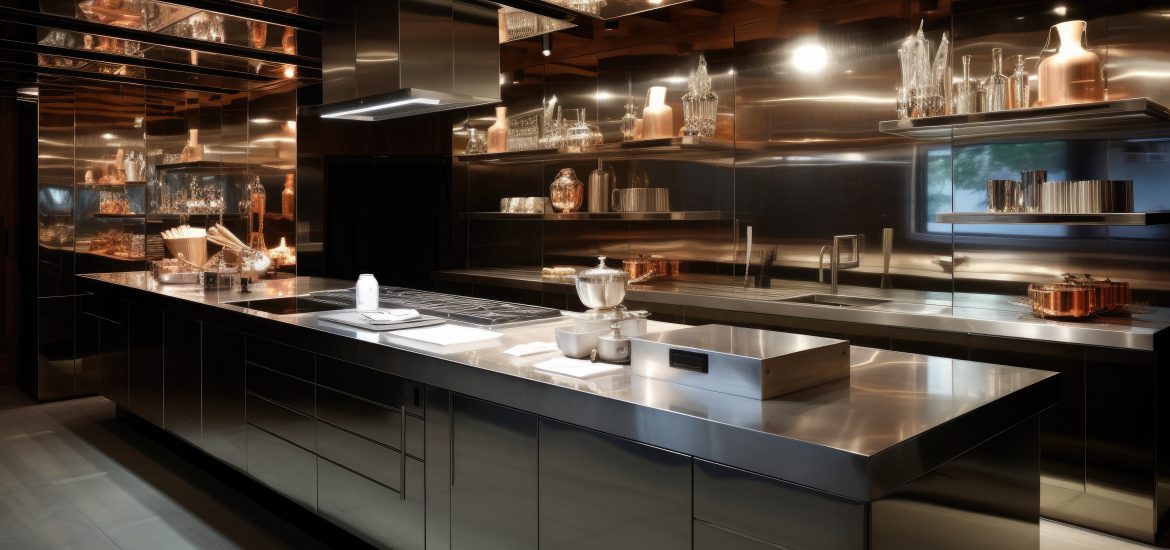
modular kitchen for restaurant/ commercial modular kitchen

modular kitchen for restaurant/ commercial modular kitchen

Introduction

Restaurants thrive on efficiency, and one of the key elements in achieving this is through a well-designed modular kitchen in Coimbatore. These versatile setups offer a variety of benefits, ranging from space optimization to enhanced workflow. Let’s delve into the world of modular kitchen solutions customized specifically for the restaurant industry.

Advantages of Modular Kitchens for Restaurants in Coimbatore

Streamlined Workflow with Modular Kitchen Designs

In the fast-paced environment of a restaurant kitchen, every second counts. Modular kitchen designs in Coimbatore are meticulously crafted to maximize efficiency and streamline workflow. By strategically organizing cooking stations, storage areas, and prep zones, chefs can move seamlessly from one task to another, ensuring timely preparation and delivery of dishes to diners.

Optimal Space Utilization

Space is precious in any restaurant setting. Modular kitchens in Coimbatore excel in optimizing available space, making them ideal for establishments with limited square footage. With customizable components that can be tailored to fit any layout, these kitchens make the most out of every inch, allowing for the inclusion of essential equipment without sacrificing functionality or comfort.

Flexibility to Adapt to Changing Needs

Restaurants are dynamic environments where menu offerings and operational requirements can change frequently. Modular kitchen solutions offer the flexibility to adapt to these evolving needs with ease. Whether it’s adding new appliances, reconfiguring workstations, or expanding storage capacity, modular kitchens in Coimbatore can be easily modified to accommodate changes, ensuring that the kitchen remains in sync with the restaurant’s evolving demands.

Enhanced Hygiene and Sanitation

Maintaining a high standard of hygiene is important in the food service industry. Modular kitchen designs in Coimbatore prioritize cleanliness and sanitation, with seamless surfaces and easily accessible components that facilitate thorough cleaning. This not only ensures compliance with health and safety regulations but also contributes to the overall reputation and credibility of the restaurant.

Cost-Efficiency and Time Savings

Investing in a modular kitchen in Coimbatore can yield significant cost savings over traditional kitchen setups. By eliminating the need for extensive construction work and minimizing downtime during installation, restaurants can save both time and money. Additionally, the modular nature of these kitchens allows for efficient maintenance and repairs, further reducing operational costs in the long run.

Essential Components Of A Commercial Modular Kitchen in Coimbatore

The essential components of a commercial modular kitchen in Coimbatore are simplicity, flexibility, smooth workflow, easy supervision, and ease of cleaning. By incorporating these elements into their kitchen design, restaurant owners can optimize efficiency, enhance hygiene, and elevate the overall dining experience for their patrons.

Simplicity

In the bustling culinary scene of Coimbatore, simplicity reigns supreme in commercial modular kitchens. From streamlined layouts to intuitive equipment placement, simplicity is the cornerstone of efficient kitchen design.

Flexibility

Commercial modular kitchens in Coimbatore boast unparalleled flexibility, allowing for seamless adaptation to evolving menu offerings and operational requirements. With customizable components and modular configurations, these kitchens can effortlessly accommodate changing needs without disrupting workflow.

Smooth Workflow

Efficiency is paramount in Coimbatore’s commercial kitchens, and a smooth workflow is essential for success. Modular kitchen setups optimize space and workflow, ensuring that every step, from food preparation to plating, flows seamlessly, resulting in timely and efficient service.

Easy Supervision

Supervising kitchen operations is made effortless in Coimbatore’s commercial modular kitchens. With clear sightlines and organized workstations, supervisors can easily monitor tasks and ensure compliance with quality and safety standards, promoting smooth and efficient operations.

Ease Of Cleaning

Maintaining hygiene is non-negotiable in Coimbatore’s commercial kitchens, and modular designs prioritize ease of cleaning. With smooth surfaces, removable components, and accessible nooks, cleaning becomes a breeze, allowing for quick turnaround times between service periods.

Popular Restaurant Modular Kitchen Layouts

When it comes to restaurant modular kitchen layouts, several popular designs cater to different culinary needs and preferences. Below are some of the most commonly used layouts:

Assembly Line Layout

The assembly line layout, also known as the production line layout, is characterized by a linear arrangement of kitchen equipment and workstations. This layout is ideal for high-volume restaurants where efficiency and speed are paramount, as it allows for a streamlined flow of ingredients and dishes from one end of the kitchen to the other.

Island Layout

In the island layout, kitchen equipment and workstations are positioned in the center of the kitchen space, with ample room for chefs to move around freely. This layout promotes collaboration and interaction among kitchen staff and is well-suited for open-concept restaurants or those with a focus on live cooking demonstrations.

Zoning Layout

The zoning layout divides the kitchen into distinct zones or stations, each dedicated to a specific task or food preparation area. For example, there may be separate zones for cooking, baking, and plating. This layout enhances efficiency by minimizing cross-traffic and allowing chefs to focus on their assigned tasks without distractions.

Galley Layout

The galley layout, also known as the parallel layout, features two parallel rows of kitchen equipment and workstations, with a central aisle running between them. This layout maximizes space efficiency and is commonly found in compact restaurant kitchens or food trucks where space is limited.

Open Layout

The open layout, as the name suggests, is characterized by an open and spacious design that fosters transparency and connectivity between the kitchen and dining area. This layout allows diners to see their meals being prepared, adding an element of excitement and authenticity to the dining experience.

Ergonomic Layout

The ergonomic layout prioritizes comfort and efficiency by optimizing the placement of kitchen equipment and workstations to minimize strain and fatigue on kitchen staff. This layout takes into account factors such as height, reach, and movement patterns to create a workspace that promotes productivity and well-being.

These popular restaurant modular kitchen layouts offer a range of options to suit different culinary styles, operational needs, and space constraints. Whether it’s the assembly line efficiency of the assembly line layout or the collaborative spirit of the island layout, there’s a layout to suit every restaurant’s unique requirements.

Conclusion

In the competitive landscape of the restaurant industry, efficiency, flexibility, and hygiene are paramount. Modular kitchen solutions offer a comprehensive approach to addressing these needs, providing restaurants with the tools they need to succeed in today’s fast-paced culinary world. By investing in a modular kitchen, restaurant owners can optimize their operations, enhance the dining experience for their customers, and stay ahead of the competition.

The Right Accessories For Your Modular Kitchen

Modular Kitchen Accessories That You Need

Modular Kitchen Accessories That You Need

Introduction

Modular kitchen accessories have revolutionized the way we design and organize our kitchens. Gone are the days of cluttered countertops and inaccessible cabinets. With the right modular kitchen accessories, you can transform your kitchen into a functional and stylish space that meets all your culinary needs.

Modular kitchen accessories maximize storage space, improve efficiency, and enhance the overall aesthetic appeal. Whether you’re a professional chef or a home cook, these accessories can make a world of difference in your cooking experience. There is a wide range of options available to suit your specific requirements and preferences, from smart storage solutions to innovative gadgets.

Benefits of using modular kitchen accessories

The benefits of using modular kitchen accessories are numerous. Firstly, they offer enhanced storage options, allowing you to neatly organize your kitchen essentials. From pull-out drawers to corner units, these accessories make the most of every inch of your kitchen space.

Secondly, modular kitchen accessories improve functionality and accessibility. With features like soft-close hinges, built-in organizers, and adjustable shelving, you can easily reach and retrieve your cooking tools and ingredients without any hassle. This not only saves time but also reduces the risk of accidents or breakages in the kitchen.

Furthermore, modular kitchen accessories can significantly enhance the aesthetic appeal of your kitchen. With a wide variety of designs, materials, and finishes available, you can choose accessories that complement your kitchen decor and reflect your style. Whether you prefer a sleek and minimalist look or a rustic and traditional vibe, there are modular kitchen accessories to suit every taste.

Modular Kitchen Accessories That You Need

Various types of modular kitchen accessories cater to different needs and preferences. Here are some of the accessories that need for your modular kitchen.

  • Pull-out drawers: These are a must-have for any modular kitchen. They provide easy access to your pots, pans, and utensils while keeping them neatly organized.
  • Corner units: Corner spaces are often underutilized in traditional kitchens. Corner units maximize storage space by utilizing these otherwise wasted areas.
  • Cutlery organizers: Keep your cutlery and silverware neatly arranged with dedicated cutlery organizers. They come in various sizes and configurations to suit your needs.
  • Spice racks: Say goodbye to rummaging through a cluttered cabinet for your favorite spices. Spice racks keep your spices organized and easily accessible, making cooking a breeze.
  • Waste management systems: Modular kitchen accessories include smart waste management solutions like pull-out bins and composting units. These help you maintain a clean and hygienic kitchen environment.
  • Utensil holders: Keep your cooking utensils within reach with dedicated utensil holders. These can be mounted on the wall or placed on the countertop for easy access.
  • Cutting board and knife set: A good-quality cutting board and a set of sharp knives are essential for any kitchen. Opt for a modular cutting board with built-in compartments for easy storage.
  • Spice jars and containers: Invest in high-quality spice jars and containers to keep your spices fresh and easily accessible. Look for airtight containers with labels for effortless organization.
  • Kitchen organizers: From tray dividers to plate racks, kitchen organizers help you keep your cabinets and drawers tidy. They make it easier to find what you need and prevent items from getting lost or damaged.
  • Modular storage containers: Opt for stackable storage containers with airtight lids to keep your dry goods fresh and organized. These containers come in various sizes to suit your storage needs.

How To Choose The Right Accessories For Your Modular Kitchen?

When choosing modular kitchen accessories, it’s important to consider your specific needs and preferences. Here are some factors to keep in mind

  • Assess your kitchen layout and identify areas that need improvement. For example, if you have limited counter space, focus on accessories that maximize storage.
  • Consider how you use your kitchen and choose accessories that enhance your cooking experience. If you love baking, invest in accessories that cater to your baking needs.
  • Choose accessories that complement your kitchen decor and reflect your style. From sleek and modern to rustic and traditional, there are options to suit every taste.
  • Invest in high-quality modular kitchen accessories that are built to last. Look for reputable brands that offer warranties and customer support.
  • Set a budget and prioritize your needs accordingly. While modular kitchen accessories can enhance your kitchen, it’s important to choose accessories that fit within your budget.

Cost-Effective Alternatives For Modular Kitchen Accessories

If you’re on a tight budget or prefer a DIY approach, there are cost-effective alternatives to modular kitchen accessories. Here are a few ideas:

  • DIY organizers: Create your organizers using simple materials like cardboard, PVC pipes, or wooden crates. There are plenty of online tutorials and inspiration available to help you get started.
  • Second-hand options: Explore thrift stores, online marketplaces, or garage sales for second-hand kitchen accessories. You might find hidden gems at a fraction of the cost.
  • Repurpose existing items: Look around your home for items that can be repurposed as kitchen accessories. For example, a wine rack can be used as a spice rack or a shoe organizer can hold cleaning supplies.
  • Space-saving hacks: Make the most of your existing storage space by utilizing space-saving hacks. For example, use tension rods to create additional shelf space in cabinets or hang pots and pans on a pegboard.
  • Simple decluttering: Sometimes, the best solution is to declutter and minimize your kitchen belongings. Get rid of unnecessary items and organize your essentials in a simplified manner.

Conclusion

Modular kitchen accessories have become an essential part of modern kitchen design. From maximizing storage space to improving functionality and enhancing the overall aesthetic appeal, these accessories offer numerous benefits. By choosing the right modular kitchen accessories, organizing your kitchen effectively, and following proper maintenance guidelines, you can create a well-organized and efficient kitchen that meets all your culinary needs. Whether you opt for high-end brands or cost-effective alternatives, the key is to personalize your kitchen with accessories that suit your style and requirements. So, enhance your kitchen today and enjoy a seamless cooking experience like never before.


position your fridge in a modular kitchen

What is the right place to position your fridge in a modular kitchen?

What is the right place to position your fridge in a modular kitchen? 

Are you in the process of designing your modular kitchen and wondering where to position your fridge? Then you must know these ideal placement ideas by the best modular kitchen company in Coimbatore, for your fridge in a modular kitchen since the positioning of your fridge in a modular kitchen is crucial for both convenience and aesthetics. Finding the perfect spot ensures easy access to food and beverages while maintaining a seamless flow in your kitchen.

Factors to consider when positioning your fridge

Before setting the final position for your fridge, there are several factors you should take into account. These factors will not only impact the convenience of using your fridge but also determine the overall functionality and aesthetics of your modular kitchen.

  • Kitchen Layout: The layout of your modular kitchen will dictate the available options for positioning your fridge. Consider the shape and size of your kitchen to identify the best placement. For instance, in a U-shaped kitchen, placing the fridge at one end will help maintain a balanced and symmetrical look.
  • Traffic Flow: Analyze the flow of traffic in your kitchen to determine the most practical location for your fridge. Ideally, it should be easily accessible without obstructing the natural movement within the kitchen. Placing it near the entrance or the cooking range can be a good option.
  • Proximity to Other Appliances: Your fridge should not interfere with other appliances in your modular kitchen. Consider the position of your sink, cooking range, and other frequently used appliances. Ensure that there is enough space for easy operation and that the fridge door doesn’t obstruct any nearby appliances.

The ideal placement for a fridge in a modular kitchen

Now that you understand the importance of fridge positioning and the factors to consider, let’s explore the ideal placement options for your fridge in a modular kitchen. Each placement option has its pros and cons, and it’s essential to choose the one that suits your specific needs and preferences, contact any modular kitchen designers if needed. 

  • Against a Wall: Placing your fridge against a wall is a popular choice in modular kitchens. It provides stability and saves space. This placement works well when the fridge is positioned near the entrance or at the end of a counter. However, make sure there is enough space for the fridge door to open fully.
  • In a Corner: If you have a corner in your modular kitchen, placing the fridge there can be a great space-saving solution. This placement maximizes corner space and allows for easy access to the fridge. However, ensure that the corner placement doesn’t obstruct the door swing or hinder movement within the kitchen.
  • Integrated with Cabinetry: Another option is to integrate your fridge with the kitchen cabinetry. This creates a seamless and elegant look, especially when you opt for custom-made cabinetry that matches the fridge’s dimensions. However, keep in mind that integrated fridges tend to be more expensive and may limit your flexibility when it comes to future upgrades or repairs.


Avoiding common mistakes in fridge positioning

When positioning your fridge in a modular kitchen, it’s important to avoid common mistakes that can hinder the functionality and aesthetics of your kitchen. By being aware of these mistakes, you can make informed decisions and ensure a smooth workflow in your kitchen.

  • Blocking the Traffic Path: One common mistake is placing the fridge in a location that obstructs the natural traffic flow in your kitchen. Avoid positioning it in a way that makes it difficult to navigate around the kitchen or blocks access to other areas.
  • Proximity to Heat Sources: Placing your fridge near heat sources, such as the cooking range or oven, can negatively impact its performance and energy efficiency. The excess heat can make the fridge work harder to maintain its cool temperature, leading to higher energy consumption and potential damage to the appliance.
  • Lack of Ventilation: Proper ventilation is vital for the optimal performance of your fridge. Avoid positioning it too close to walls or cabinets, as this can restrict airflow and cause the fridge to overheat. Leave a gap of at least a few inches around the fridge to allow for proper ventilation.

Tips for optimizing fridge placement in a modular kitchen

To make the most of your fridge’s position in a modular kitchen, here are some additional tips to consider:

  • Consider the Fridge’s Opening Side: When deciding on the position, take into account the fridge’s door opening side. Ensure that it doesn’t obstruct any nearby cabinets or appliances when fully opened.
  • Accessibility: Aim for a position that allows easy access to the fridge, both for daily use and when restocking groceries. Consider the frequency of use and convenience.
  • Height Placement: The height at which you position your fridge can impact its accessibility and aesthetics. Consider the comfort level of using the fridge at a particular height and ensure it aligns with the overall design of your modular kitchen.

Assessing the impact of fridge position on kitchen functionality

The position of your fridge can significantly impact the functionality of your modular kitchen even if it’s the best modular kitchen in Coimbatore.  A well-placed fridge ensures smooth workflow, easy access to ingredients, and efficient food preparation. On the other hand, a poorly positioned fridge can create obstacles and make everyday tasks more challenging.

Consider the following aspects when assessing the impact of fridge position on kitchen functionality:

  • Storage Efficiency: The position of your fridge can affect the overall storage efficiency in your kitchen. Placing it in a spot that is easily accessible and doesn’t obstruct other storage areas will enhance your kitchen’s functionality.
  • Cooking Efficiency: If you frequently use your fridge while cooking, positioning it near the cooking range can streamline your cooking process. Having ingredients within arm’s reach eliminates unnecessary movement and saves time.
  • Traffic Flow: Proper fridge positioning ensures a smooth traffic flow in your kitchen. It prevents congestion and allows multiple people to work in the kitchen simultaneously without bumping into each other.

Ensuring proper ventilation for the fridge in a modular kitchen

Proper ventilation is crucial for the optimal performance and longevity of your fridge. In a modular kitchen, where space is often optimized, it’s important to ensure that your fridge has sufficient airflow to prevent overheating.

Here are some tips to ensure proper ventilation for your fridge in a modular kitchen:

  • Leave Space Around the Fridge: Avoid placing the fridge too close to walls or cabinets. Leave a gap of at least a few inches on all sides to allow for proper airflow. This will prevent the build-up of heat and help the fridge maintain its cool temperature.
  • Check the Back Vent: Many modern refrigerators have a vent at the back to release heat. Make sure this vent is not blocked by the wall or any other objects. Keep the area around the vent clear to allow for efficient heat dissipation.
  • Consider Built-in Ventilation Options: If you have limited space around your fridge, consider built-in ventilation options. These options can help redirect heat away from the fridge and ensure proper airflow, even in tight spaces.


Incorporating the fridge seamlessly into the kitchen design

A modular kitchen is known for its sleek and seamless design. To maintain the aesthetic appeal, it’s important to incorporate your fridge seamlessly into the overall kitchen design.

Here are some tips to seamlessly integrate your fridge into your modular kitchen:

  • Match Cabinetry and Paneling: If you opt for an integrated fridge, ensure that the cabinetry and paneling match the rest of your kitchen. This will create a cohesive look and make the fridge blend in with the overall kitchen design.
  • Conceal with Doors: Another option is to conceal your fridge with doors that match the rest of the cabinetry. This helps create a uniform appearance and gives your kitchen a clean and modern look.
  • Customized Design: Consider customizing the design of your kitchen to accommodate your fridge. This can include creating a niche or alcove specifically designed to house the fridge. Such customization ensures that the fridge becomes an integral part of the kitchen design.

Adjusting fridge position based on kitchen layout and workflow

The ideal position for your fridge in a modular kitchen depends on the layout and workflow of your kitchen. While there are general guidelines to follow, it’s important to adjust the fridge position based on your specific kitchen requirements.

Consider the following tips when adjusting the fridge position in your modular kitchen:

  • Analyze Workflow: Observe how you move around your kitchen and identify the areas where you frequently need access to the fridge. Adjust the position accordingly to minimize unnecessary movement and enhance workflow efficiency.
  • Account for Counter Space: If you have limited counter space, consider placing your fridge in a way that maximizes the available countertop area. This ensures that you have enough space for food preparation and other kitchen tasks.
  • Balance Aesthetics and Functionality: While aesthetics are important, ensure that the chosen position doesn’t compromise the functionality of your kitchen. Strive for a balance between a visually appealing design and a practical layout.

Conclusion: 

The position of your fridge in a modular kitchen can greatly impact the convenience, functionality, and aesthetics of your space. By considering factors such as kitchen layout, traffic flow, and proximity to other appliances, you can determine the ideal placement for your fridge.

Avoid common mistakes such as blocking the traffic path or placing the fridge near heat sources. Instead, optimize the fridge placement by ensuring proper ventilation, considering the opening side, and prioritizing accessibility.

With careful consideration and planning, you can find the perfect spot for your fridge in your modular kitchen, creating a harmonious and functional space for all your culinary adventures.