
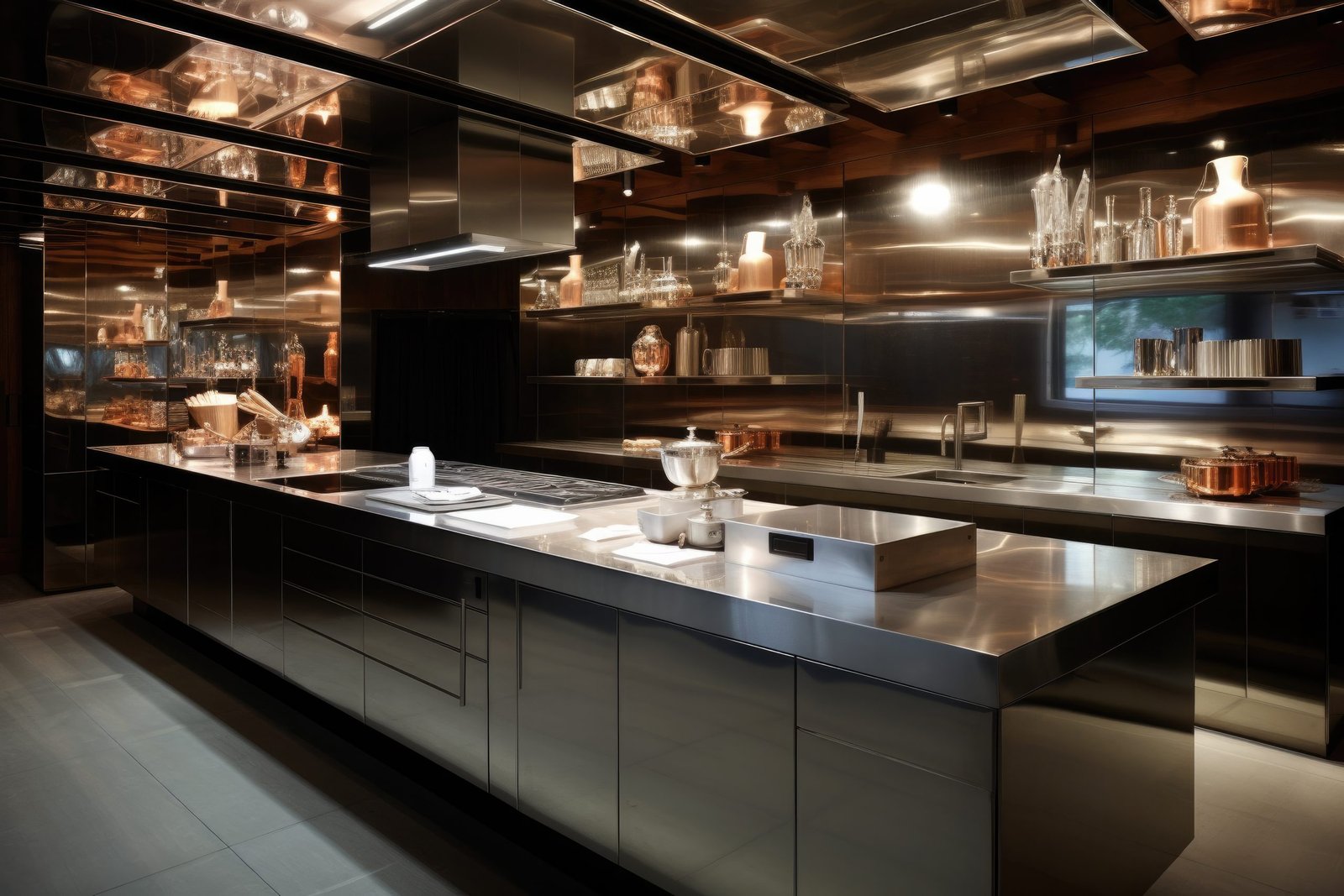
modular kitchen for restaurant/ commercial modular kitchen
Introduction
Restaurants thrive on efficiency, and one of the key elements in achieving this is through a well-designed modular kitchen in Coimbatore. These versatile setups offer a variety of benefits, ranging from space optimization to enhanced workflow. Let’s delve into the world of modular kitchen solutions customized specifically for the restaurant industry.
Advantages of Modular Kitchens for Restaurants in Coimbatore
Streamlined Workflow with Modular Kitchen Designs
In the fast-paced environment of a restaurant kitchen, every second counts. Modular kitchen designs in Coimbatore are meticulously crafted to maximize efficiency and streamline workflow. By strategically organizing cooking stations, storage areas, and prep zones, chefs can move seamlessly from one task to another, ensuring timely preparation and delivery of dishes to diners.
Optimal Space Utilization
Space is precious in any restaurant setting. Modular kitchens in Coimbatore excel in optimizing available space, making them ideal for establishments with limited square footage. With customizable components that can be tailored to fit any layout, these kitchens make the most out of every inch, allowing for the inclusion of essential equipment without sacrificing functionality or comfort.
Flexibility to Adapt to Changing Needs
Restaurants are dynamic environments where menu offerings and operational requirements can change frequently. Modular kitchen solutions offer the flexibility to adapt to these evolving needs with ease. Whether it’s adding new appliances, reconfiguring workstations, or expanding storage capacity, modular kitchens in Coimbatore can be easily modified to accommodate changes, ensuring that the kitchen remains in sync with the restaurant’s evolving demands.
Enhanced Hygiene and Sanitation
Maintaining a high standard of hygiene is important in the food service industry. Modular kitchen designs in Coimbatore prioritize cleanliness and sanitation, with seamless surfaces and easily accessible components that facilitate thorough cleaning. This not only ensures compliance with health and safety regulations but also contributes to the overall reputation and credibility of the restaurant.
Cost-Efficiency and Time Savings
Investing in a modular kitchen in Coimbatore can yield significant cost savings over traditional kitchen setups. By eliminating the need for extensive construction work and minimizing downtime during installation, restaurants can save both time and money. Additionally, the modular nature of these kitchens allows for efficient maintenance and repairs, further reducing operational costs in the long run.
Essential Components Of A Commercial Modular Kitchen in Coimbatore
The essential components of a commercial modular kitchen in Coimbatore are simplicity, flexibility, smooth workflow, easy supervision, and ease of cleaning. By incorporating these elements into their kitchen design, restaurant owners can optimize efficiency, enhance hygiene, and elevate the overall dining experience for their patrons.
Simplicity
In the bustling culinary scene of Coimbatore, simplicity reigns supreme in commercial modular kitchens. From streamlined layouts to intuitive equipment placement, simplicity is the cornerstone of efficient kitchen design.
Flexibility
Commercial modular kitchens in Coimbatore boast unparalleled flexibility, allowing for seamless adaptation to evolving menu offerings and operational requirements. With customizable components and modular configurations, these kitchens can effortlessly accommodate changing needs without disrupting workflow.
Smooth Workflow
Efficiency is paramount in Coimbatore’s commercial kitchens, and a smooth workflow is essential for success. Modular kitchen setups optimize space and workflow, ensuring that every step, from food preparation to plating, flows seamlessly, resulting in timely and efficient service.
Easy Supervision
Supervising kitchen operations is made effortless in Coimbatore’s commercial modular kitchens. With clear sightlines and organized workstations, supervisors can easily monitor tasks and ensure compliance with quality and safety standards, promoting smooth and efficient operations.
Ease Of Cleaning
Maintaining hygiene is non-negotiable in Coimbatore’s commercial kitchens, and modular designs prioritize ease of cleaning. With smooth surfaces, removable components, and accessible nooks, cleaning becomes a breeze, allowing for quick turnaround times between service periods.
Popular Restaurant Modular Kitchen Layouts
When it comes to restaurant modular kitchen layouts, several popular designs cater to different culinary needs and preferences. Below are some of the most commonly used layouts:
Assembly Line Layout
The assembly line layout, also known as the production line layout, is characterized by a linear arrangement of kitchen equipment and workstations. This layout is ideal for high-volume restaurants where efficiency and speed are paramount, as it allows for a streamlined flow of ingredients and dishes from one end of the kitchen to the other.
Island Layout
In the island layout, kitchen equipment and workstations are positioned in the center of the kitchen space, with ample room for chefs to move around freely. This layout promotes collaboration and interaction among kitchen staff and is well-suited for open-concept restaurants or those with a focus on live cooking demonstrations.
Zoning Layout
The zoning layout divides the kitchen into distinct zones or stations, each dedicated to a specific task or food preparation area. For example, there may be separate zones for cooking, baking, and plating. This layout enhances efficiency by minimizing cross-traffic and allowing chefs to focus on their assigned tasks without distractions.
Galley Layout
The galley layout, also known as the parallel layout, features two parallel rows of kitchen equipment and workstations, with a central aisle running between them. This layout maximizes space efficiency and is commonly found in compact restaurant kitchens or food trucks where space is limited.
Open Layout
The open layout, as the name suggests, is characterized by an open and spacious design that fosters transparency and connectivity between the kitchen and dining area. This layout allows diners to see their meals being prepared, adding an element of excitement and authenticity to the dining experience.
Ergonomic Layout
The ergonomic layout prioritizes comfort and efficiency by optimizing the placement of kitchen equipment and workstations to minimize strain and fatigue on kitchen staff. This layout takes into account factors such as height, reach, and movement patterns to create a workspace that promotes productivity and well-being.
These popular restaurant modular kitchen layouts offer a range of options to suit different culinary styles, operational needs, and space constraints. Whether it’s the assembly line efficiency of the assembly line layout or the collaborative spirit of the island layout, there’s a layout to suit every restaurant’s unique requirements.
Conclusion
In the competitive landscape of the restaurant industry, efficiency, flexibility, and hygiene are paramount. Modular kitchen solutions offer a comprehensive approach to addressing these needs, providing restaurants with the tools they need to succeed in today’s fast-paced culinary world. By investing in a modular kitchen, restaurant owners can optimize their operations, enhance the dining experience for their customers, and stay ahead of the competition.