
How To Make Your Modular Kitchen More Efficient?
Introduction
The kitchen is often considered the heart of the home, a place where delicious meals are prepared, and family and friends gather to share moments. In this guide, we will explore how to optimize your modular kitchen space, from clever design ideas to smart organization and maintenance tips. Let’s dive into creating the perfect kitchen for your needs.
Optimal Kitchen Workflow
To cook efficiently, it’s crucial to have a well-thought-out kitchen workflow. This means arranging your kitchen in a way that allows you to move seamlessly from one task to another. Here are some tips for creating an optimal kitchen workflow:
Work Triangle: Arrange your stove, sink, and refrigerator in a triangle. This setup minimizes unnecessary movement while cooking, making your kitchen more efficient.
Zones: Group similar tasks and utensils together. For example, have a baking zone, a prep zone, and a cooking zone to streamline your tasks. This not only makes cooking more manageable but also ensures you can find what you need quickly.
Clever Kitchen Design
A clever kitchen design can make a world of difference in your cooking experience. Here are some ideas to consider:
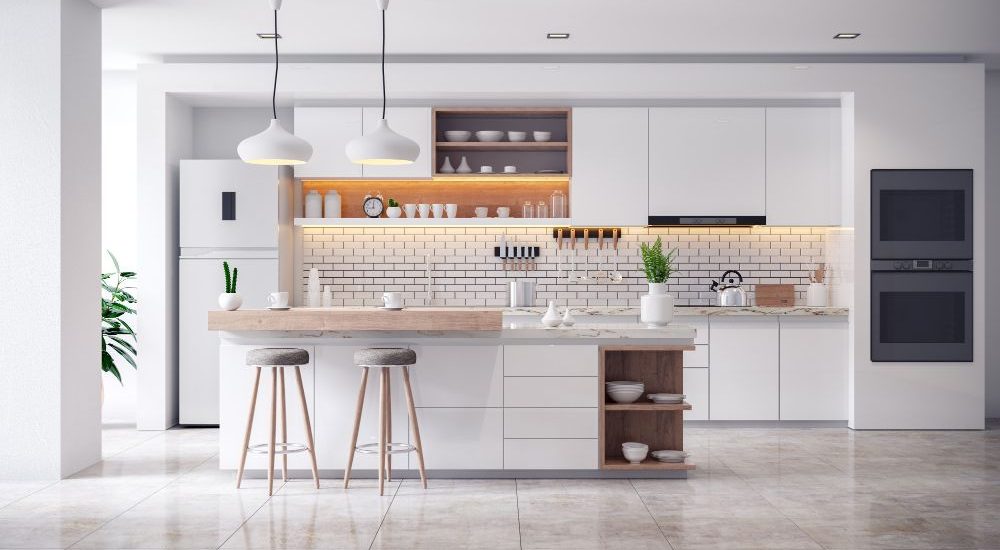
Open Shelving: Open shelves not only add a modern touch to your kitchen but also make it easier to access frequently used items. You can display your favorite dishes and keep your kitchen feeling open and airy.
Island with Storage: An island with storage underneath can provide additional counter space and keep your kitchen organized. You can use it for meal prep or even as a dining area.
Maximizing Counter Space
Counter space is precious in the kitchen. Here’s how you can maximize it:
Vertical Storage: Use hooks, magnetic strips, and wall-mounted racks to hang utensils, pots, and pans, freeing up counter space. This allows you to have your kitchen tools within arm’s reach without cluttering the countertops.
Rolling Carts: Consider using rolling carts with shelves or drawers for additional storage and workspace. These can be moved around as needed, providing extra space for chopping, mixing, or serving dishes.
Pantry Organization
A well-organized pantry can save you time and prevent food waste. Follow these steps:
Categorize Group similar items together, such as canned goods, pasta, and baking supplies. This makes it easier to find ingredients and keeps your pantry neat.
Labeling: Use clear containers and labels to identify items easily. This not only adds a touch of organization but also helps you keep track of your pantry staples.
Appliance Placement
Efficient placement of appliances is crucial for a functional kitchen:
Fridge Location: Place the refrigerator near the entrance for easy access, but avoid putting it next to the stove, as it may affect its efficiency. A well-placed fridge ensures you can quickly grab ingredients without getting in the way of your cooking.
Dishwasher Position: Position the dishwasher close to the sink to make dishwashing more convenient. This streamlines the cleanup process and ensures dirty dishes don’t clutter your kitchen.
Lighting and Ventilation
Proper lighting and ventilation can enhance your kitchen’s functionality:
Task Lighting: Install under-cabinet lighting to illuminate your work areas. This ensures that you can see what you’re doing, whether you’re chopping vegetables or reading a recipe.
Ventilation: A good range hood helps remove cooking odors and keeps the air fresh. Adequate ventilation ensures your kitchen remains comfortable, especially when cooking aromatic dishes.
Modular Kitchen Accessories
Modular kitchen accessories can be a game-changer:
Pull-Out Shelves: These make accessing items in the back of cabinets a breeze. You can install these in your lower cabinets, making it easy to reach pots, pans, and small appliances.
Lazy Susans: They help utilize corner cabinet space effectively. This type of accessory makes it easy to store and access items in those hard-to-reach corners.
Maintenance and Cleaning Tips
A clean kitchen is a happy kitchen. Here are some maintenance tips:
Regular Cleaning: Wipe down surfaces and appliances regularly to prevent dirt and grease buildup. A clean kitchen is not only more pleasant to work in but also more hygienic.
Scheduled Decluttering: Set aside time to declutter your kitchen and get rid of items you no longer need. This not only keeps your kitchen organized but also makes it easier to find what you need.
Use Natural Cleaners: Consider using natural cleaning solutions like a mixture of vinegar and water to keep your kitchen sparkling without harsh chemicals.
Deep Cleaning: Perform a deep cleaning at least once a month, including scrubbing the floors, sanitizing countertops, and cleaning appliances inside and out.
Organize Cleaning Supplies: Keep your cleaning supplies well-organized in a designated cabinet or under the sink, so you can easily access them when needed.
Regularly Change Sponges: Replace kitchen sponges and dishcloths frequently to prevent the growth of bacteria and maintain a hygienic space.
Keep Trash Bins Clean: Regularly clean and disinfect your trash bins to prevent unpleasant odors and maintain a fresh kitchen atmosphere.
Check and Replace Seals: Inspect the seals on your refrigerator and oven regularly and replace them if they are damaged to maintain energy efficiency.
Inspect and Tighten Handles: Ensure that cabinet and appliance handles are securely fastened to prevent accidents and maintain a tidy appearance.
Conclusion
In conclusion, a well-designed and organized kitchen can make your cooking experience more enjoyable and efficient. By following the tips provided in this guide, you can create the perfect kitchen that suits your needs and lifestyle. Remember, it’s not just about having a beautiful kitchen; it’s about making it work for you. So, roll up your sleeves, start implementing these ideas, and get ready to cook up a storm in your newly optimized kitchen!