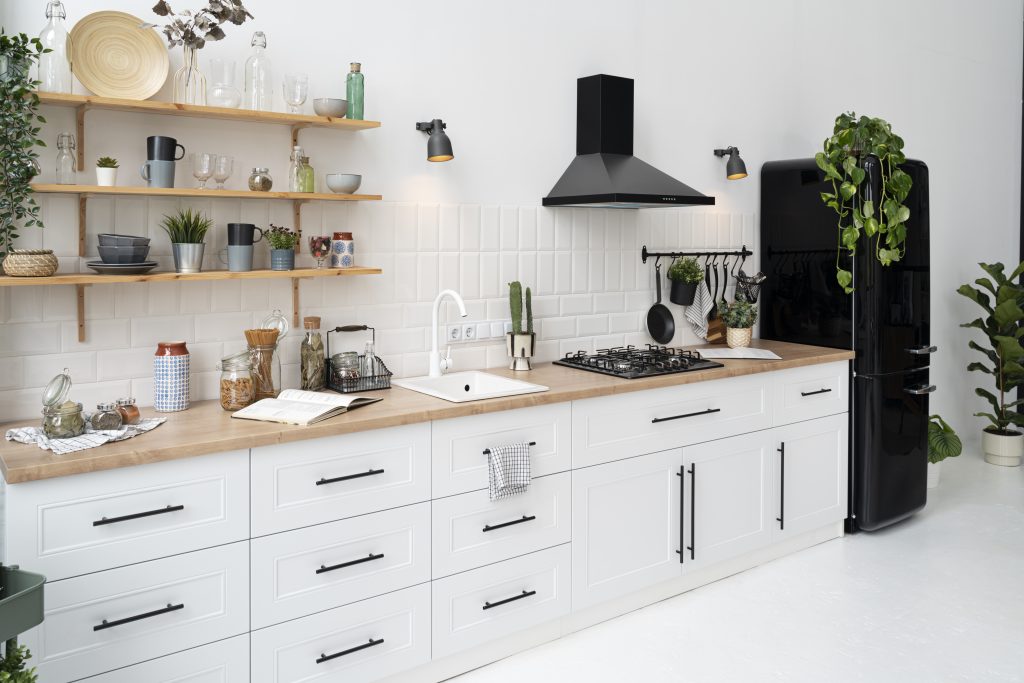

What should I consider when designing a modular kitchen?
When it comes to upgrading your kitchen, modular kitchen designs are a fantastic choice. It offers flexibility, functionality, and a sleek aesthetic that can transform your cooking space into a modern haven. However, before you start your modular kitchen designs, it’s crucial to consider a few key factors to simplify the process and ensure you get the most out of your investment. Let’s see the essentials of designing a modular kitchen with ease.
What are the Design Considerations of a Modular Kitchen?
A modular kitchen needs to be visually appealing and highly functional. To do so you need to take some considerations when you design a modular kitchen. Layout, storage, flooring, ventilation, and lighting are some of the considerations in designing a modular kitchen. Here are the detailed key aspects of building your dream kitchen with the modular kitchen designs you like.
Layout of your Kitchen
The layout of your modular kitchen is the base to build your dream kitchen. Here are some vital elements to keep in mind when planning your kitchen’s layout:
- Work Triangle: A kitchen’s work triangle involves the arrangement of the three primary work zones – the stove, sink, and refrigerator. Ensure that these zones form a convenient and unobstructed triangle, allowing for efficient movement between them. This design minimizes unnecessary steps and enhances productivity during cooking.
- Open vs. Closed Layout: Decide whether you want an open kitchen that goes along with your living space or a closed one. Your choice depends on your lifestyle, cooking habits, and the available space. Open layouts create a spacious feel and closed ones provide privacy.
- Island or Peninsula: If you have enough space, consider incorporating an island or peninsula into your kitchen layout. These additions can serve as multifunctional work areas, dining spots, or additional storage.
- Traffic Flow: Keep an eye on traffic flow within the kitchen. Ensure there’s enough space for people to move around comfortably without obstructing the cooking area or workspace.
Storage
Effective storage is essential to keep your modular kitchen organized. Here are some storage considerations to ponder:
- Cabinets and Drawers: Opt for cabinets and drawers with varying sizes to accommodate different kitchen items. Deep drawers are useful for pots and pans, while pull-out cabinets offer access to small cookware.
- Modular Units: Consider modular storage units that can be customized to suit your specific needs. These units can be adjusted in height, width, and design to maximize your kitchen’s storage potential.
- Corner Solutions: Utilize corner spaces efficiently with pull-out shelves or lazy Susans. These solutions make it easier to access items that can be tucked away in the corners.
- Overhead Storage: Install overhead cabinets to store items you don’t frequently use. This keeps your countertops clear and adds to the overall aesthetic appeal.
Ventilation
Ventilation in a kitchen is very important because it can eliminate cooking odors, smoke, and excess moisture. Here are some ventilation considerations for your modular kitchen:
- Chimney: Install a chimney above your cooking area to get rid of smoke and cooking odors. Ensure it has adequate suction power and is appropriately sized to fit your cooktop.
- Natural Ventilation: If possible, include windows or an exhaust fan to facilitate natural ventilation. Fresh air circulation can improve air quality and make your kitchen more comfortable.
- Ducting: Ensure that the exhaust from your chimney is ducted to the outside. This can help you in preventing the recirculation of polluted air back into your kitchen.
Lighting
Good lighting can bring the ambiance you need to your modular kitchen designs very easily and can help enhance its functionality. Here are some lighting options for you to consider when designing modular kitchens:
- Task Lighting: Install task lighting under overhead cabinets to brighten up your workspaces, like countertops and stovetops. LED strips or spotlights can be used for this purpose.
- Ambient Lighting: Create a warm and inviting atmosphere with ambient lighting. Pendant lights or chandeliers over an island or dining area can add a touch of elegance to your kitchen.
- Cabinet Lighting: To make it easier to find items in your cabinets and drawers, consider interior cabinet lighting.
- Natural Light: Maximize natural light by placing windows strategically. This not only reduces the need for artificial lighting during the day but can also connect your kitchen with the outdoors.
Conclusion
Designing a modular kitchen involves key considerations for a functional and aesthetically pleasing space. Start with a well-planned layout, ensuring an efficient work triangle, choosing between open and closed designs, and optimizing traffic flow. Storage is vital, with versatile cabinets, modular units, and clever corner solutions. Proper ventilation, including a chimney and natural airflow, is essential. Don’t forget about the lighting needed for your modular kitchen, try to include natural light sources in your design. By following this, you can now choose from any of your favorite modular kitchen designs to combine style, functionality, and comfort seamlessly.