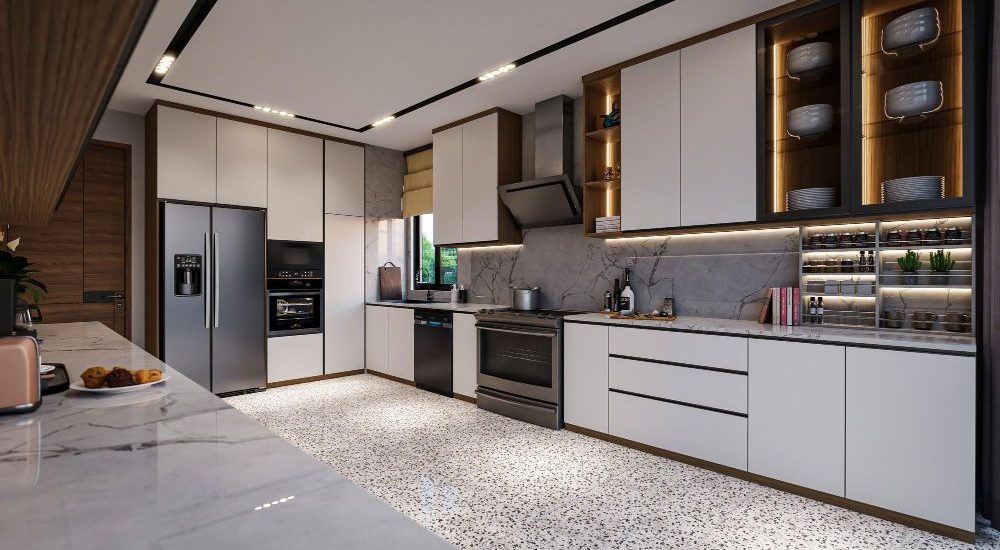
Sita's Kitchen World & Modular Kitchen Design

Sita's Kitchen World is a leading expert in Coimbatore's modular kitchen industry. We specialize in crafting personalized solutions to meet a wide range of needs.

Category Archives: modular kitchen

Smart Kitchen Design

Tips on Incorporating Smart Technology in Your Modular Kitchen

Tips on Incorporating Smart Technology in Your Modular Kitchen

Introduction

A smart kitchen is not just about having a fancy gadget or two; it’s about enhancing the functionality of your kitchen by integrating technology. It’s a space where appliances, devices, and systems work together to simplify your cooking process and improve overall kitchen management.

What is Smart Kitchen Design?

Smart kitchen design focuses on the integration of technology and automation to create an efficient and user-friendly cooking space. This means incorporating smart appliances, gadgets, and systems that communicate with each other to streamline your kitchen tasks. Additionally, smart kitchen design often includes features like energy efficiency, remote control capabilities, and advanced monitoring and data analysis for a more convenient and sustainable cooking experience.

How to Make a Smart Kitchen

To create a smart kitchen, you need to consider various aspects. Let’s explore some key elements:

Ambient Shelf Lights

Ambient shelf lights are a subtle but highly functional addition to your kitchen. These LED lights can be installed underneath cabinets and shelves to provide gentle, energy-efficient illumination. They make it easier to locate ingredients and utensils, creating a more inviting and organized kitchen environment.

Smart Kitchen Fridge

A smart refrigerator goes beyond just keeping your food cold. It can alert you when you’re running low on groceries, help you create shopping lists, and even suggest recipes based on what’s inside. This technology can save you time and reduce food waste.

Smart Gadgets for Kitchen Management – Kitchen Smart Screens

Kitchen smart screens act as a central hub for managing your kitchen. They can display recipes, provide step-by-step cooking instructions, and even connect to other smart devices in your kitchen. You can access cooking apps, control your oven, and manage your shopping lists right from the screen.

Smart Storage Solutions

Smart storage solutions include cabinets and drawers equipped with sensors that detect when you’re running low on specific items. They can notify you or even automatically reorder supplies, making it easier to keep your kitchen well-stocked.

Voice Assistants and Kitchen Control

Voice-activated assistants like Amazon’s Alexa and Google Assistant are transforming the way we interact with our kitchens. These assistants provide hands-free control for various tasks, from setting timers to answering cooking-related questions. They can also connect with and control other smart devices in your kitchen. This means you can adjust the lighting, control the oven, or add items to your shopping list without lifting a finger.

Security and Safety Features

Smart kitchens can integrate security and safety measures. Kitchen cameras and sensors can alert you to potential hazards like smoke or gas leaks. Additionally, smart kitchen fire suppression systems can automatically detect and extinguish kitchen fires, providing an extra layer of safety for your cooking space.

Smart Kitchen Design for Small Spaces

Small kitchens can benefit greatly from smart design. Limited space doesn’t mean sacrificing functionality. Start by selecting space-saving appliances and compact storage solutions. For instance, a microwave that can also function as a convection oven can save counter space. Additionally, consider modular and adjustable shelving and cabinets to maximize your available storage space. Design principles such as choosing light colors, installing reflective surfaces, and using open shelving can help make a small kitchen feel more spacious.

Voice Command Configured Microwaves

Voice-activated microwaves allow you to start or stop cooking with simple voice commands. They also offer pre-set cooking options for various dishes, making reheating and cooking more convenient.

Useful Smart Gadgets for Kitchen – Smart Dishwashers

Smart dishwashers can detect the level of dirt on your dishes and adjust the washing cycle accordingly. They can also be scheduled to run during off-peak hours, saving both water and energy.

Some Extra Tips for Your Smart Kitchen To Make It More Efficient:

Declutter Regularly:

Get rid of unused items | Keep only the essentials.

Organize Your Cabinets:

Store items logically | Keep pots and pans near the stove.

Label Everything:

Use clear labels on containers | Include expiration dates.

Use Transparent Containers:

See what’s inside at a glance | Saves time and effort.

Group Similar Items:

Keep baking supplies together | Organize spices in one place.

Keep Countertops Clear:

Store daily-use items on the countertop | Clear surfaces make meal prep easier.

Regular Cleaning:

Wipe down countertops daily | Wash dishes promptly.

Invest in Quality Storage Solutions:

Use drawer dividers and pantry organizers | Maximize storage space.

Arrange Your Fridge and Freezer:

Use clear containers for leftovers | Label them with dates to reduce waste.

Smart Cooking Gadgets:

Consider slow cookers or Instant Pots | Smart thermostats help monitor food temperature.

Conclusion

Incorporating smart technology into your modular kitchen is a way to enhance your cooking experience. Whether it’s ambient shelf lights for better visibility, smart appliances that make your tasks more manageable, or kitchen smart screens that keep everything connected, these innovations can transform your kitchen into a highly efficient and enjoyable space.

In conclusion, as technology continues to advance, it’s clear that the kitchen is not exempt from its influence. By incorporating smart technology, you can streamline your cooking process, reduce food waste, and make the heart of your home a more efficient and enjoyable space.

The Top 5 Energy-Efficient Appliances for Your Modular Kitchen

Top 5 Energy-Efficient Appliances for Your Modular Kitchen

Top 5 Energy-Efficient Appliances for Your Modular Kitchen

Introduction

In today’s fast-paced world, maximizing efficiency is key – especially in the kitchen. With the rise of smart technology, it’s easier than ever to create an energy-efficient modular kitchen that not only saves you time and effort. From smart refrigerators to energy-saving dishwashers, there are a variety of appliances available that can help you achieve a more sustainable kitchen. In this article, we will explore the top 5 energy-efficient appliances for your modular kitchen, including smart refrigerators, smart ovens, dishwashers, cooktops, and lightning. These appliances will streamline your cooking process. So, if you’re ready to take your kitchen to the next level, keep reading to find the best energy-efficient appliances for your modular kitchen design.

Importance of Energy Efficiency In The Kitchen

In today’s world, where sustainability is becoming increasingly important, energy efficiency in the kitchen is a crucial aspect to consider. It also offers several other benefits for you as a homeowner. Using energy-efficient appliances can result in significant savings on your electricity bills. 

An energy-efficient kitchen is also a more eco-friendly option. Energy-efficient appliances also tend to have advanced features and technology that can enhance the functionality and convenience of your kitchen. From smart controls to intelligent sensors, these appliances offer you more control and flexibility in managing your kitchen tasks.

The Top 5 Energy-Efficient Appliances for Your Modular Kitchen

Now that we understand the importance of energy efficiency in the kitchen, it’s time to explore the top 5 energy-efficient appliances that you should consider for your modular kitchen.

Energy-efficient Refrigerator: The refrigerator is one of the most energy-consuming appliances in your kitchen. By choosing an energy-efficient model, you can reduce your energy consumption and save on your electricity bills. Look for refrigerators with the ENERGY STAR label, as they are designed to meet strict energy efficiency guidelines. When selecting a refrigerator for your modular kitchen in Coimbatore, choose one with the ENERGY STARS label to ensure it meets energy efficiency standards

Induction Cooktop: Compared to traditional gas or electric cooktops, induction cooktops are more energy-efficient. They use electromagnetic fields to directly heat the cookware, which leads to faster and more precise cooking while consuming less energy. Additionally, induction cooktops are also safer and easier to clean.

Energy-efficient Dishwasher: Washing dishes by hand consumes more water and energy than using a dishwasher. However, not all dishwashers are created equal when it comes to energy efficiency. Look for models that have high energy star ratings and features like sensor technology that adjusts water and energy usage based on the load.

Energy-efficient Oven: If you love baking or cooking, an energy-efficient oven is a must-have. Look for ovens that are well-insulated and have accurate temperature controls. Additionally, ovens with convection cooking technology can cook food faster and more evenly, resulting in energy savings. When you’re setting up your modular kitchen in Coimbatore, don’t forget the importance of an energy-efficient oven. It not only saves energy but also ensures your dishes are cooked to perfection.

Energy-efficient Lighting: Lighting plays a vital role in your kitchen’s energy efficiency. Swap out traditional incandescent bulbs with energy-efficient LED bulbs. These bulbs consume significantly less energy and have a longer lifespan, saving you money on replacements.

Considerations When Choosing Energy-efficient Appliances

When selecting energy-efficient appliances for your modular kitchen, there are a few important factors to consider. Firstly, determine your specific needs and prioritize features that align with your cooking habits. For example, if you do a lot of baking, look for an oven with convection cooking capabilities. 

Consider the size and capacity of the appliances as well. Opt for models that are appropriate for your kitchen space and the amount of food you typically cook. 

Next, research different brands and read customer reviews to ensure the appliances you choose are reliable and perform well. Look for appliances that have a good energy efficiency rating.

By carefully considering these factors, you can choose the best energy-efficient appliances for your modular kitchen.

Installation and Maintenance Tips for Energy-efficient Appliances

Regular maintenance is also essential to keep your appliances running efficiently. Clean filters, coils, and vents regularly to prevent build-up that can obstruct airflow and cause your appliances to work harder, consuming more energy. Additionally, schedule professional maintenance checks to identify and fix any issues promptly. These simple steps can help maximize the efficiency and lifespan of your energy-efficient appliances. Are you looking to transform your kitchen into a modern and energy-efficient space? Consider incorporating these energy-efficient appliances into your modular kitchen in Coimbatore for a sustainable and eco-friendly cooking experience

Conclusion: Making Your Modular Kitchen More Efficient

In conclusion, maximizing the efficiency of your energy-efficient appliances in your modular kitchen is essential for saving energy. By focusing on installation, maintenance, and proper usage, you can ensure that your appliances are working at their optimal capacity. Remember to hire a professional for appliance installation to avoid energy waste and decreased performance. By implementing these simple practices, you can make your modular kitchen more efficient and enjoy the benefits of energy savings and a more sustainable home. Remember, every small step counts towards a greener future.

Lighting In Modular Kitchen

Lighting In Modular Kitchen! 7 Tips to Improve Your Kitchen’s Aesthetics!

Lighting In Modular Kitchen! 7 Tips to Improve Your Kitchen’s Aesthetics!

Introduction

Lighting plays a pivotal role in the overall aesthetics and functionality of any space, and the kitchen is no exception. In the world of modular kitchen design, modular kitchens have gained immense popularity due to their sleek and organized appearance. To truly bring out your modular kitchen’s aesthetics, one must pay close attention to the lighting. In this blog, we’ll explore 10 practical tips to improve the lighting in your modular kitchen, ensuring it not only looks great but also serves its purpose efficiently.

Choose the Right Lighting Fixtures

Selecting the right lighting fixtures is the first step to achieving an aesthetically pleasing kitchen. Opt for fixtures that complement the overall design of your modular kitchen. Pendant lights, recessed lighting, and under-cabinet lighting are popular choices.

Points to Consider:

Functionality Matters: Think about how you use your kitchen. Dimmable lights offer versatility for different activities, from cooking to socializing.

Prioritize Energy Efficiency: Opt for energy-efficient options like LED lights to save on electricity bills and reduce environmental impact.

Consider Task Lighting

Task lighting is essential for areas where you work, such as the countertop and cooking area. Installing under-cabinet LED strips or focused pendant lights over the kitchen island can provide excellent task lighting, making meal preparation a comfortable task.

Points to Consider:

Choose Adjustable Fixtures: Opt for lights that you can adjust to direct light precisely where needed.

Minimize Glare: Position fixtures to avoid glare and shadows on your work surfaces. Experiment with placement for optimal illumination.

Utilize Natural Light

Whenever possible, maximize natural light in your kitchen. Make sure that windows are not obstructed by heavy curtains or furniture. Natural light not only brightens up the space but also creates a welcoming ambiance.

Points to Consider:

Window Coverings: Opt for light and sheer window coverings like blinds or translucent curtains. These allow natural light to filter through while still providing privacy. 

Light-Colored Decor: Choose light-colored furniture, cabinets, and walls in your kitchen. Lighter colors help to reflect and amplify natural light, creating a brighter and more open feeling in the space.

Layer Your Lighting

Create depth and versatility by layering your kitchen lighting. Combine ambient, task, and accent lighting to achieve a well-balanced and aesthetically pleasing effect. This layering adds dimension to your kitchen.

Points to Consider:

Dimmer Switches: Install dimmer switches for your lighting fixtures. This allows you to adjust the brightness according to different needs and moods, from bright and functional for cooking to softer and cozier for dining or entertaining.

Use LED Strips for Accent Lighting: Consider adding LED strips under cabinets, shelves, or along architectural features. LED strips provide subtle accent lighting and can highlight specific areas of your kitchen, such as decorative displays or the backsplash.

Opt for LED Lights

LED lights are energy-efficient and long-lasting. They come in various color temperatures, allowing you to choose the one that suits your kitchen’s mood. Warm white LEDs can create a cozy atmosphere, while cool white LEDs provide a crisp, modern look.

Points to Consider:

High CRI Rating: Select LED lights with a high Color Rendering Index (CRI) to accurately display kitchen colors.

Lumens, Not Watts: Focus on lumens, not watts, to ensure the right brightness for your kitchen tasks.

Maintain Consistency

Maintaining consistency in the modular kitchen design and placement of lighting fixtures is crucial. Fixtures that are evenly spaced and aligned give a polished look. Consistency contributes significantly to the aesthetics of a modular kitchen.

Points to Consider:

Stick to a Style: Choose lighting fixtures that match the overall style of your kitchen. Whether it’s modern, traditional, or eclectic, consistent styling improves the look of your space.

Consider Lighting Zones: Divide your kitchen into lighting zones based on functionality, like cooking, dining, and prep areas. Each zone can have its consistent lighting theme, ensuring both uniformity and functionality.

Keep Safety in Mind

Lastly, make sure that your lighting installation is safe and complies with all electrical codes. Seek professional help if needed to avoid any potential hazards.

Points to Consider:

Avoid Overloading Circuits: Be mindful not to overload electrical circuits with too many lighting fixtures. Consult with an electrician to ensure your kitchen’s electrical system can handle the load safely.

Choose Heat-Resistant Fixtures: If your lighting fixtures are close to heat sources like stoves or ovens, select fixtures that are heat-resistant to prevent any fire hazards. Safety should always be a top priority in kitchen lighting design.

Conclusion

In conclusion, the lighting in your modular kitchen plays a pivotal role in enhancing its aesthetics and functionality. By following these 7 tips, you can transform your kitchen into a visually appealing and efficient space. From choosing the right fixtures to considering color temperature, these considerations will help you create the perfect lighting scheme for your modular kitchen. Remember, a well-lit kitchen is not only a joy to work in but also a delightful space for family gatherings and socializing. So, take the time to illuminate your kitchen effectively and enjoy the benefits it brings to your home.


10 Proven Tips To Maintain Your Modular Kitchen

10 Proven Tips To Maintain Your Modular Kitchen to Increase Its Longevity!

10 Proven Tips To Maintain Your Modular Kitchen to Increase Its Longevity!

Introduction

A modular kitchen is not only a functional space but also an integral part of your home’s aesthetics. To ensure it remains efficient and beautiful for years to come, proper maintenance is essential. In this blog, we will explore ten proven tips to maintain your modular kitchen and increase its longevity. These tips are simple, easy to follow, and will help you keep your kitchen in top-notch condition.

1. Avoid Placing Hot/Cold Vessels Directly On Kitchen Counters

Kitchen counters are an important element of your modular kitchen design. To protect their surface and prevent damage, avoid placing hot or cold vessels directly on them. Always use trivets or heat-resistant mats to shield the countertops from extreme temperatures. This simple practice will help your kitchen counters maintain their appearance and durability. Hot pots and cold containers can cause cracks and discoloration over time, so taking this precautionary step ensures your counters stay in pristine condition for years to come.

Tips for maintenance:

By using trivets or mats, you not only preserve the aesthetic appeal of your kitchen but also extend the lifespan of your countertops, saving you money on potential repairs or replacements in the future.

2. Use The Drawers Gently And Partially

Modular kitchens often feature pull-out drawers for easy access to your kitchen essentials. To prevent damage to the drawer runners and the drawers themselves, always pull them out gently and partially. 

Tips for maintenance:

Avoid yanking them open forcefully, as this can lead to premature wear and tear. This small but thoughtful habit not only extends the lifespan of your modular kitchen components but also contributes to a safer and more organized cooking space, making your daily kitchen routines a breeze.

3. Drawers And Cabinets Have Built In Accessories – Use Them!

To maximize storage space and maintain organization in your modular kitchen design, consider using accessories like drawer dividers, plate organizers, and cutlery trays. These accessories help keep your kitchen items neatly arranged, making it easier to find what you need and reducing clutter.

Organizational accessories not only enhance the efficiency of your kitchen but also add a touch of order and elegance to your cooking space, making it a more enjoyable and inviting area for your culinary adventures.

4. Cabinet Doors Should Be Opened Gently And Fully

Cabinet doors are another crucial component of your modular kitchen. Treat them with care by opening them gently and fully. Avoid slamming the doors shut, as this can damage the hinges and affect the overall appearance of your kitchen style. By practicing this gentle and complete approach when opening cabinet doors, you ensure that your kitchen retains its polished and unblemished look, creating a welcoming atmosphere for you and your guests.

Additionally, maintaining the functionality of the cabinet hinges ensures that your kitchen cabinets will serve you well for years to come, saving you from the inconvenience and cost of repairs or replacements down the road.

5. Avoid Overstuffing Utensils In The Cabinets

Overloading cabinets with too many utensils and cookware can lead to damage and make it challenging to access items when needed. Be mindful of the weight and quantity of items you store in each cabinet to prevent wear and tear.

Avoiding overstuffing is a practical step toward maintaining the order and functionality of your modular kitchen, ensuring that it remains a pleasant and efficient space for your culinary adventures.

6. Each Cabinet Has A Specific Purpose!

Modular kitchens are designed with specific cabinets for different purposes, such as storing pots and pans, dishes, or pantry items. To maintain order and functionality, use cabinets for their intended purpose. This not only helps you stay organized but also prolongs the life of your kitchen components.

7. Give Immediate Attention to Cracks and Peeling 

If you notice any cracks or peeling on your kitchen cabinets or countertops, it’s essential to address them promptly. Ignoring these issues can lead to more extensive damage over time. Consult a professional or follow DIY repair instructions to fix any problems as soon as they arise.

8. Damp Utensils Can Damage your Drawers

Moisture is the enemy of any modular kitchen. To prevent damage caused by dampness, avoid placing wet or damp utensils in drawers or cabinets. Ensure that items are thoroughly dry before storing them to maintain the quality of your kitchen components. Moisture not only affects the longevity of your modular kitchen but can also lead to unpleasant odors and the growth of mold or mildew.

Tips for maintenance:

Taking a moment to ensure your utensils are completely dry before stowing them away is a small yet effective step in safeguarding the investment you’ve made in your modular kitchen design, ensuring it serves you well for years to come/

9. Don’t Exceed The Pantry Unit Cabinets’ Weight Limit

Pantry unit cabinets are designed to store a variety of items, including heavy groceries. To prevent damage to the cabinet shelves and hinges, be mindful of the weight you place in these cabinets. Distribute the weight evenly and avoid overloading them.

By maintaining the recommended weight limit for these cabinets, you contribute to the long-term functionality and organization of your modular kitchen, creating a more efficient and hassle-free cooking space.

10. Pay Attention to Clean Crevices & Corners Regularly

Dirt and grime tend to accumulate in the corners and crevices of your modular kitchen. Regular cleaning with a soft cloth or sponge will prevent the buildup of dirt, ensuring that your kitchen remains both hygienic and aesthetically pleasing.

Conclusion

Maintaining your modular kitchen is essential to ensure its longevity and functionality. By following these ten proven tips, you can protect your kitchen’s surfaces, prevent wear and tear, and keep it looking pristine for years to come. Remember that regular care and attention to detail are the keys to preserving the beauty and functionality of your modular kitchen. With these simple practices, you can enjoy your kitchen’s convenience and elegance for a long time.


What is a Chimney

Why chimney is a must for modular kitchens?

Why chimney is a must for modular kitchens?

A chimney is an essential addition to your modern modular kitchen design. This not only keeps your kitchen air fresh but also offers numerous benefits. A chimney reduces indoor air pollutants, simplifies cleaning, prolongs appliance life, and enhances kitchen aesthetics. Choose a high-quality chimney that complements your kitchen’s design for a healthier and more enjoyable cooking experience with the help of this article. 

What is a Chimney?

A chimney is a tall, vertical architectural structure made of bricks, stones, or metal which helps in removing smoke and gases produced during the burning process. This helps in removing dangerous fumes and gases from your place and keeps your space free from unwanted gases and particles. It comes in different shapes and sizes suited for the specific needs of its use.  

Is a Chimney Really Required for a Modular Kitchen?

Yes, Chimney is very much required for modular kitchens. With a chimney in your modular kitchen, you can easily deal with byproducts of cooking like, smokes and odors easily. To use a chimney in your Modular kitchen design consult a professional to determine the best ventilation solution for your kitchen. 

What are the benefits of having a Chimney in a Modular Kitchen?

Smoke and Odor Removal

One of the most significant advantages of having a chimney in your modular kitchen is its ability to effectively remove smoke and odors produced during cooking. Chimneys are equipped with powerful fans and filters that capture and expel airborne particles, such as grease, smoke, and cooking odors, outside of your kitchen. This keeps the air inside your kitchen fresh and clean, preventing the buildup of unpleasant odors and reducing the risk of respiratory issues.

Improved Indoor Air Quality

Cooking without proper ventilation can lead to the accumulation of harmful pollutants in your kitchen space, including carbon monoxide and more. These pollutants can affect your health over time. A chimney helps maintain better indoor air quality by removing these pollutants and providing a safer environment for you and your family.

Reduced Cleaning Efforts

Cooking can often result in greasy residue settling on kitchen surfaces and appliances. Without a chimney, this grease can accumulate on your walls, cabinets, and countertops, making cleaning a difficult task. With a chimney in place, much of the grease is captured by the filters, reducing the amount of cleaning required and helping you keep your kitchen looking clean and fresh.

Extended Appliance Lifespan

The presence of a chimney can extend the lifespan of your kitchen appliances. The removal of hot air and smoke reduces the heat and humidity levels in your kitchen, which can cause damage to appliances over time. By maintaining a cooler environment, your appliances are less prone to wear and tear, ultimately saving money on repairs and replacements.

Enhanced Kitchen Aesthetics

Chimneys come in various designs and finishes, allowing you to choose one that complements the overall aesthetics of your modular kitchen. They can serve as a stylish focal point or seamlessly blend into the kitchen’s design, enhancing its visual appeal. A well-chosen chimney can add a touch of sophistication to your kitchen while serving a practical purpose. And, it can also improve the property value when you are about to sell your house.

Which is the best Chimney for Modular Kitchen?

Choosing the best type of chimney for your modular kitchen depends on various factors, including your kitchen layout, cooking habits, and budget. There are primarily two types of chimneys suitable for modular kitchens: ducted and ductless chimneys. 

Ducted Chimney (Vented):

Advantages:

  • High Efficiency: Ducted chimneys are highly efficient at removing smoke, odors, and airborne particles from your kitchen. They vent these pollutants outside, ensuring excellent ventilation.
  • Low Maintenance: Since ducted chimneys expel most of the cooking byproducts outside, they require less frequent cleaning compared to ductless chimneys.
  • Suitable for Heavy Cooking: If you do a lot of deep-frying or heavy cooking, a ducted chimney is an ideal choice as it effectively captures and removes grease and smoke.

Considerations:

  • Installation: Installing a ducted chimney requires proper ductwork to connect the chimney to an external vent. This may involve drilling a hole in your kitchen wall or ceiling, which can be more complex and costly during installation.

Ductless (Recirculating) Chimney:

Advantages:

  • Easy Installation: Ductless chimneys are easier to install since they don’t require external ducting. This can be advantageous if you don’t want to make structural changes to your kitchen.
  • Flexible Placement: You have more flexibility in choosing the chimney’s location because there’s no need for ductwork. This can be especially useful in smaller kitchens.

Considerations:

  • Lower Efficiency: Ductless chimneys filter the air and recirculate it back into the kitchen after removing smoke and odors. While they improve indoor air quality to some extent, they aren’t as efficient as ducted chimneys.
  • Regular Maintenance: Ductless chimneys require more frequent maintenance because the filters need periodic cleaning or replacement to maintain their effectiveness.
  • Not Ideal for Heavy Cooking: If you frequently engage in heavy-duty cooking, such as deep-frying or grilling, a ductless chimney may struggle to handle the volume of smoke and grease generated.

Which One to Choose?

The choice between a ducted and ductless chimney depends on your specific needs and constraints:

Ducted Chimney: Opt for a ducted chimney if you prioritize superior ventilation, have the budget for ductwork installation, and do a lot of heavy cooking.

Ductless Chimney: Choose a ductless chimney if you want a more straightforward installation process, have limited space for ductwork, and engage in light to moderate cooking.

Keep in mind that regardless of the type you choose, it’s essential to select a chimney with high-quality filters and adequate airflow capacity to ensure effective ventilation and air purification in your modular kitchen. Additionally, consider the chimney’s design and noise level to ensure it complements your modular kitchen design and functionality.

Conclusion

A chimney is essential for modular kitchens. It effectively removes smoke and odors, improving indoor air quality, reducing cleaning efforts, and extending appliance lifespan. Additionally, it enhances your modular kitchen design aesthetics and property value. Choosing between ducted and ductless chimneys depends on your cooking habits and kitchen layout. Opt for ducted chimneys for superior ventilation during heavy cooking, while ductless chimneys offer easier installation for lighter cooking. Ensure your chimney has quality filters and sufficient airflow capacity. Investing in a chimney ensures a healthier, more appealing cooking environment and long-term home value.